

Far from the only town that knew his name, a man built a life around a single, unbearable question; and found the mountains were the only place that never asked it.
The road out of town runs for twenty-one kilometres before it stops pretending to be a road at all. It narrows, then softens, then gives way to gravel and washboard and the long, patient silence of trees. At the end of it, where a creek cuts between two mountains so tall they seem to be conferring with each other over the valley, a man built a fire every night for the better part of a year.
He was not lost: he knew exactly where he was. That was the whole point. He called it his hideout.
Only three people alive, his three best friends, knew the coordinates. He trusted them the way you trust someone who has already seen you at your worst. Everyone else in the community, the hundreds of people who nodded to him in aisles of the grocery store he managed, who had known him for years, only knew that he was… somewhere. And every single one of them wanted to ask him the same five words:
How is your wife doing?

Photo by Ante Samarzija.
It is, on its face, an act of love. A community closing ranks around one of its own, checking in, refusing to let a man carry grief alone. And it was that. But grief has a strange arithmetic, and love multiplied by three-thousand people, asked two hundred times a day, five days a week, stops behaving like love and starts feeling like something closer to drowning.
His wife had been sick for a long time; long enough that a surgeon on the coast, in Victoria, had once quietly prepared him for an ending. But that ending did not arrive on schedule. She lived past what the doctors expected, long enough to tell him, in no uncertain terms, that she did not want his life to stop because hers was in danger. She wanted him back in the mountains. Back to work. Back, as far as such a thing was possible, to normal.
He went back. He managed the only grocery in a remote mountain community. That meant he was, by default, one of its most visible citizens: the man behind the till, who knew your name and your kids’ names and what you bought for dinner on Tuesdays. There was no anonymity available to him. There was no version of “back to work” that didn’t also mean back to being watched, back to being asked, back to performing composure for people who deserved an answer and seemingly would not stop needing one.
Each morning he drove the twenty-one kilometres into town, cringing the entire way. He would arrive, do the job as fast and as competently as required, and leave the moment he could. But he would not head toward home, not exactly. It was toward the absence of home that he drove, toward the valley where nobody knew to look for him.

Photo by Jess Torre.
The assistant manager, who ran the produce section and was in on the secret, was something of a human moat. She ran interference, fielded the well-meaning ambushes at the front storefront, so her boss could sit in a back office with the door closed, hiding in plain sight, inside the very building he was supposed to be running.
This is part of the story usually goes untold, because it complicates the tidy shape of grief we prefer. The vigil. The funeral. The casseroles, and the slow healing arc.
No one prepared him for the specific exhaustion of being cared about too visibly, too often, and by too many people at once. Meanwhile, the person you really need to talk to is dying a thousand kilometres away.
Nobody tells you that the kindest thing your neighbours can do might also be the thing you need to flee.
And then, on Christmas Eve, the call came. She was being moved to hospice.
There were no flights out of Calgary, not on December 24th, and not for a man who had, until that moment, believed he still had time.
The store closed early. He told his boss and his three friends — no one else — that he was driving to the coast, that he’d be gone for a while. Then he got in a vehicle and drove through a mountain winter toward the woman he had married. He arrived in time to be there when it mattered, but not in time to stop what was coming.
She died on January 3rd.
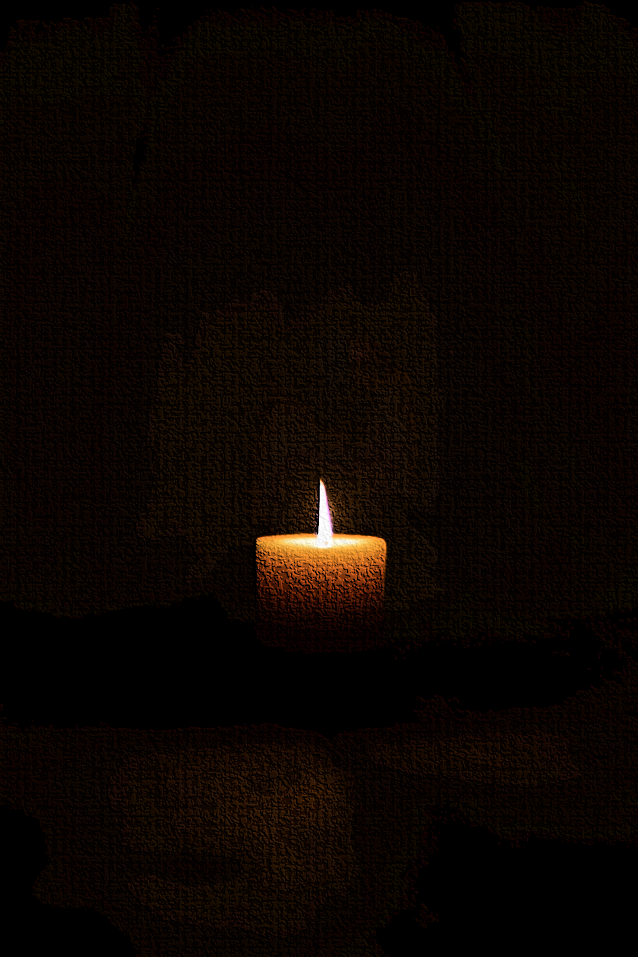
Photo by Sixteen Miles Out
The drive back was lonely and painful — two adjectives that don’t begin to cover what it must have been like for a man to drive over the mountain passes alone, having just watched his wife die. To be speeding toward a town full of people who love you and who will all want, gently, to know how she’s doing.
He wasn’t ready — and he knew it. So, he didn’t go back, not yet. Instead, he returned to the hideout, to the creek and the two mountains and the fire. He let the valley do for him what it had been doing all along: nothing. Asking nothing and requiring nothing, simply holding him.
Some griefs you can furnish a room for. This one, he couldn’t even open the door to. Their condo was full of fifty years of shared life: her clothes, her handwriting, all the clutter of two people who had built a home together. It became something he could not face. He moved what he could into a cold, dark storage compartment and he locked it.
It stayed locked for two years. Not because he forgot but because some doors, once closed, take on a certain gravity, and every day that passes makes the next day’s opening a little harder to imagine.
In May he put in his retirement notice. He left the only grocery store in the only community that had known him as the man whose wife was dying, and he moved to a new hideout, further out this time. It was also further from those five little words, from the aisles, from the version of himself that had learned to cringe on a twenty-one-kilometer drive. And when that wasn’t far enough, he moved again: a different campsite, a different province, a different set of trees to disappear into.
The storage container is still locked. It has been years now but it remains full. Somewhere, in a storage yard he does not visit, boxes hold what’s left of a marriage; folded and taped and waiting for a man who is still not ready to open them.

Photo by Harpreet Singh Grewal
The storage container is still locked. It has been years now but it remains full. Somewhere, in a storage yard he does not visit, boxes hold what’s left of a marriage; folded and taped and waiting for a man who is still not ready to open them.
One version of this story could end tidily, in triumph. The widower who finally sorts through the boxes, weeps cathartically over a sweater that still smells like her, and emerges tired, but whole.
But that isn’t how this story ended. Yet the absence of such an apotheosis is not a failure. Some healing doesn’t arrive in a single scene. Perhaps it arrives in increments, twenty-one kilometers at a time. It comes slowly to protect the tender, unfinished parts of the man from a world that only wants to help.
What he built in that valley, in the saddle between two mountains that never once asked how he was doing, wasn’t avoidance. Call it what it was: a shelter, built by hand, in the only place left where grief could be his and no one else’s. A hideout is not where you go to disappear. It’s where you go to survive long enough to eventually, and on your own terms, return.
He is still out there, in a forest somewhere in a neighbouring mountain range, a long way from the store, the town, and especially, the question. The storage container is still locked. And maybe that’s the truest thing in this whole story; that grief doesn’t run on anyone’s timeline, but its own, and the bravest thing a person can do is admit, without apology, that they are not done hiding yet.
About the Author
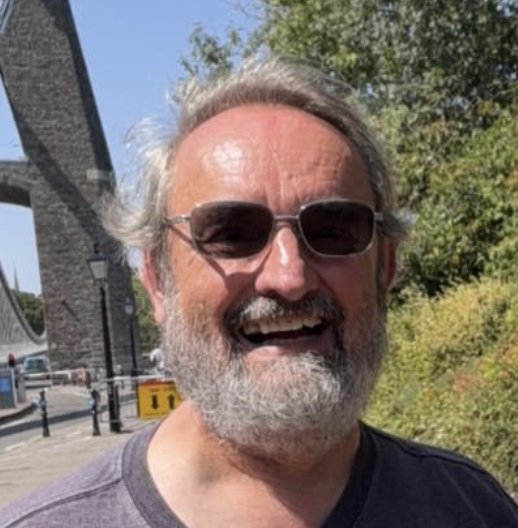
Mark Pitcher is the founder of Beyond Brotherhood, a men’s organization building a retreat center for men in Rocky mountains.
He is a widower; a perpetual student; and a prolific blogger.
He lives in the woods at altitude, high in the Canadian rockies.
A Word on the Frontispiece
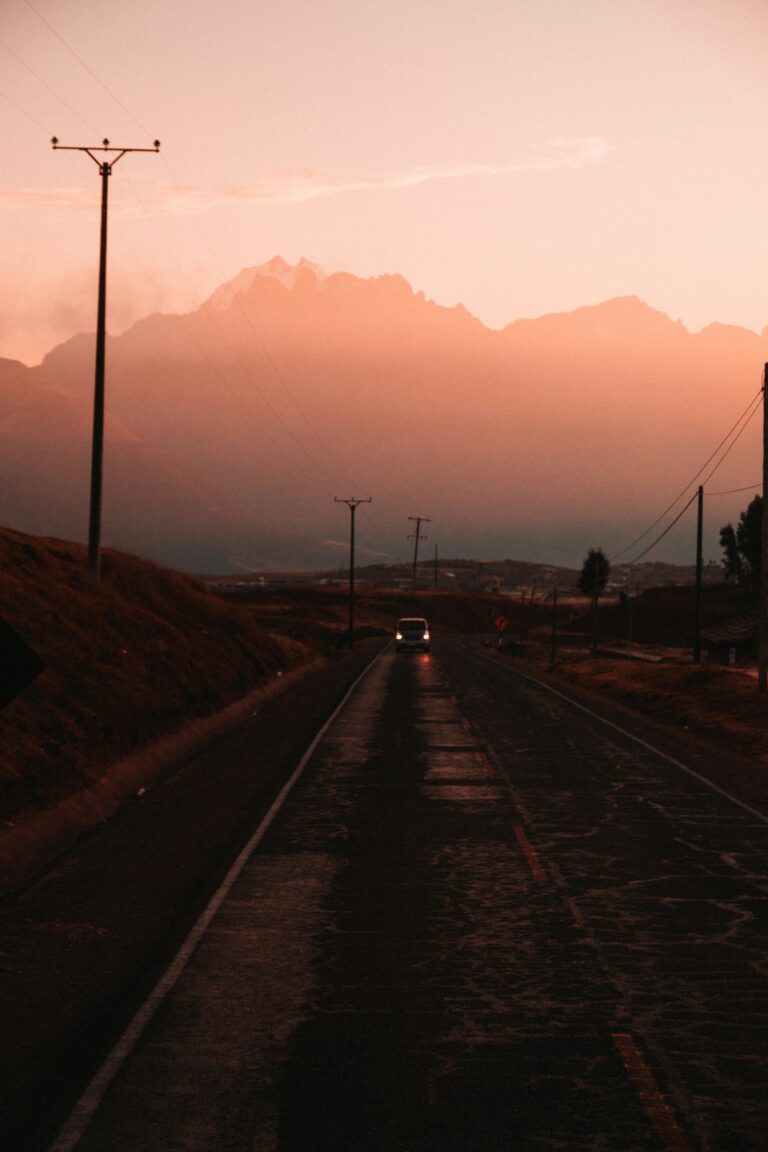
Photo by Adrian Dascal.