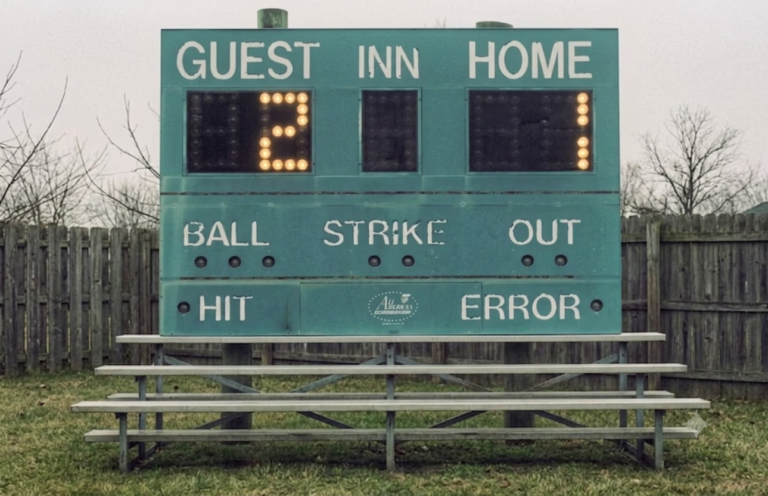

There are many ways a man can hide out.
Some men disappear into work. Into alcohol. Into anger, television, or endless activity. My way of hiding out is more difficult to recognize, because it can look like strength and independence.
I hide out by not asking for help.
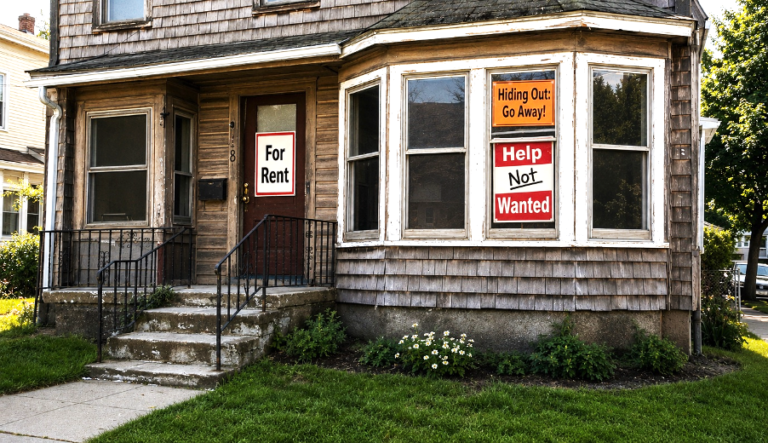
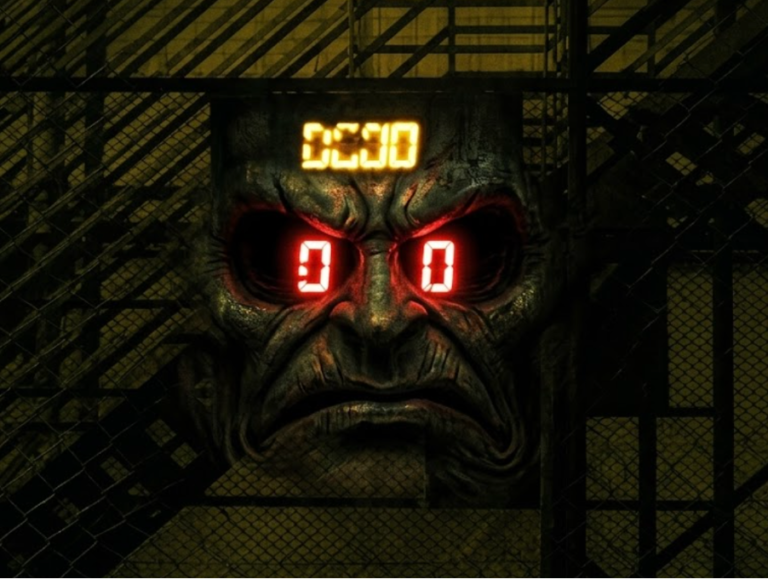
Image rendered using ChatGPT_Ai
Recently, I did a great deal of work on a rental property I own and manage. I handle most of the repairs myself and this time there was a lot to do: heavy, physical, backbreaking work. I worked my ass off getting it done.
Looking back, I could have asked for help. I probably should have asked for help. But I didn’t.
Instead, I convinced myself I could manage it alone. Part of that comes from being capable and being accustomed to solving my own problems. But underneath that independence is something less comfortable to admit: I am afraid of being rejected.
I have a limited number of close friends, and when I consider asking one of them for help, my mind quickly creates reasons not to do it.
They’re probably too busy. I don’t want to inconvenience them. They may say no. I should be able to handle this myself.
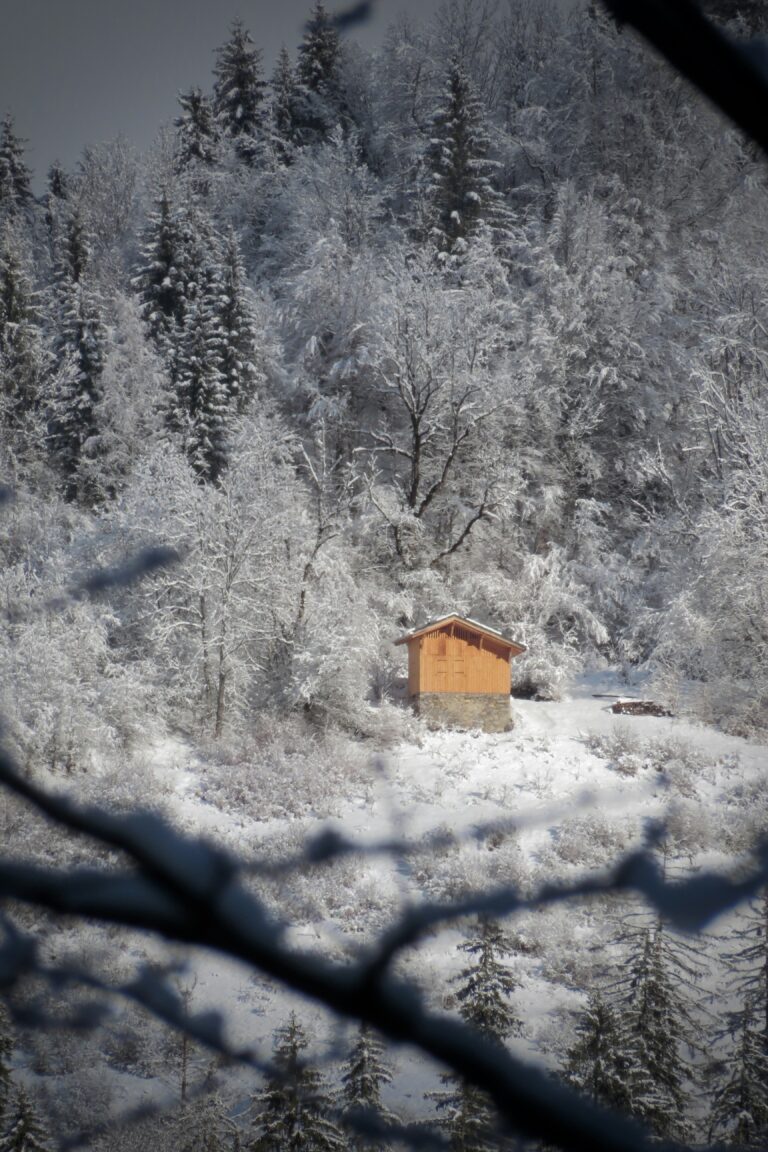
Rather than risk hearing no, I avoid asking altogether. I carry the full load and then feel exhausted, isolated, and sometimes resentful — even though no one knew I needed help.
There is another side to this that I also need to face honestly. In hindsight, I don’t feel that I have offered much physical help to many of my friends. Perhaps part of my hesitation comes from wondering whether I have earned the right to ask. I may be keeping score without fully realizing it.
Someone has to ask. Someone has to offer. Someone has to be willing to receive.
Men are often taught that strength means being independent, capable, and able to endure hardship without complaint. Those qualities do have value. There are times when a man must stand on his own and do what needs to be done.
But taken too far, independence becomes isolation.
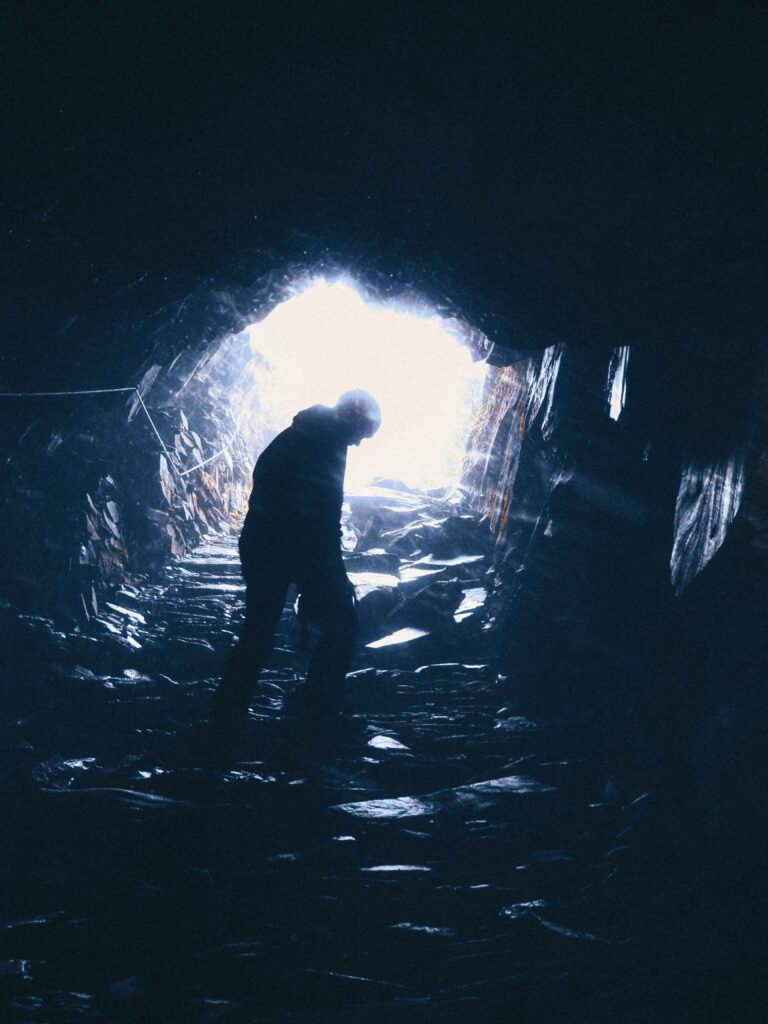
Photo by Joe Pearson
Perhaps mature masculinity is not about proving that I can carry everything alone. Perhaps it’s knowing when to carry the weight myself, when to offer my strength to another man, and when to say, “Brother, I could use a hand.”
Asking for help requires vulnerability, the admission that I cannot — or should not — do everything alone. I must risk the possibility that someone may say no. I must also accept that a refusal may have nothing to do with my worth or the strength of the friendship.
My hiding-out challenge is simple, but it will not be easy. It is this:
The next time I need help, I will ask before I exhaust myself. I will give the other man the freedom to say yes or no without making his answer mean something about me. I will also become more aware of where I can offer practical help to the men in my life — not as payment for future favors, but as an expression of brotherhood.
The next time I need help, I will ask before I exhaust myself. I will give the other man the freedom to say yes or no without making his answer mean something about me. I will also become more aware of where I can offer practical help to the men in my life — not as payment for future favors, but as an expression of brotherhood.
Maybe the real work is not repairing the property. Maybe the real work is repairing my relationship with asking, giving, and receiving help.
Yes, self-reliance is often treated as a masculine quality, but hiding our need for help is usually something different. It can be fear of rejection, fear of appearing weak, or discomfort with owing someone something. Strength is not only carrying the load; it is also having the courage to let another man stand beside you.
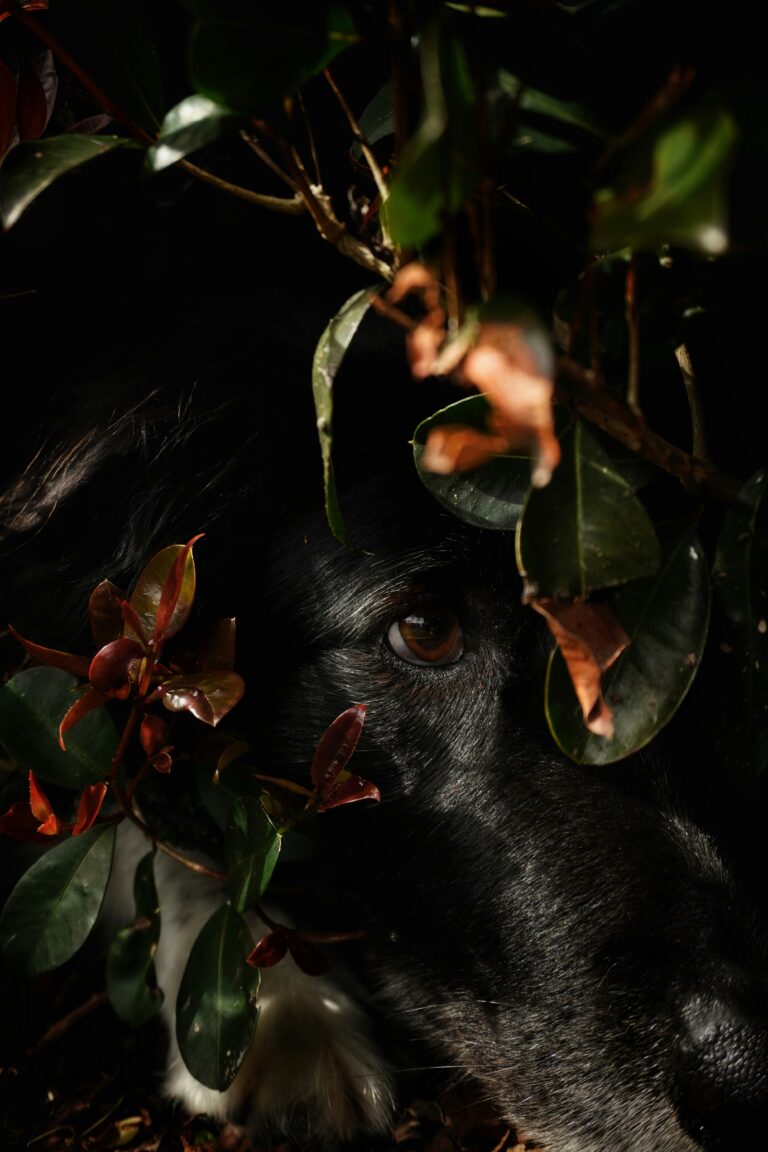
Photo by James Mowat
Maybe discussing something with our men’s team is the realization that you denied your friends the opportunity to show up for you. That might be worth discussing with your men’s team.
About the Author
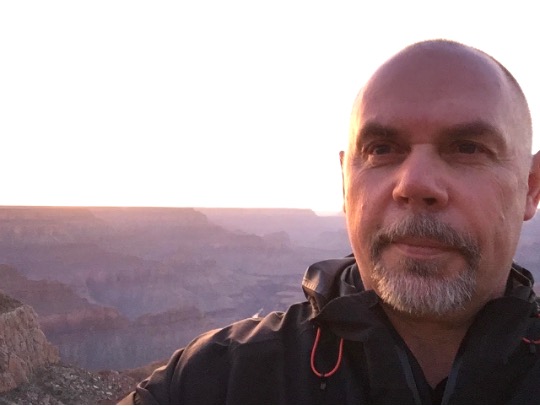
Shuka Fournier is an artist, when he’s not traveling.
He lives with his girlfriend in Quebec City, Quebec, Canada.
A Word on the Fronispiece...
The frontispiece was created using Gemini_Ai