
For almost seven years I suffered from intense, debilitating, and mysterious back pain.
Sometimes, my back would seize without warning, leaving me immobilized for minutes at a time. These episodes occurred randomly and, because I spent a considerable amount of time driving, I often lived with a quiet sense of fear. Towards the latter half of this period severe neck pain and stiffness were also frequent.
My family doctor could not identify the underlying cause of the problem. He offered medication but I was reluctant to depend on painkillers without understanding why my body was breaking down in the first place.

Photo by Dennis Klicker
At the time, my personal life was also under considerable strain. My marriage had been shaky and difficult for some time and the stresses were high.
Nonetheless, we formed a company and began a joint real estate venture with my wife’s nephew, Kevin, an engineer turned successful real estate investor.
Together, we acquired two multiresidential apartment buildings with thirty-one rental units in Hamilton, Ontario. Kevin was about sixteen years younger than I, but one thing immediately stood out: he took exceptional care of himself. He exercised regularly, paid close attention to nutrition, and understood the importance of maintaining physical health long before most people around him did. He often spoke about the three essential components of fitness
• strength
• endurance
• flexibility
Although I was an avid tennis player, his philosophy and practice helped me realize I’d neglected the broader maintenance of my body. Like many people, I’d assumed that staying active was enough. It wasn’t.

Photo by Image by anais_anais29
And then, the years of marital stress became too much and, in 2016, I separated from my wife.
Although she was Kevin’s aunt, he was extraordinarily supportive of me during that difficult period. He’d experienced a separation of his own and understood the emotional toll it could take. At the time, he was renovating a house and he offered me a room at a very affordable rent. He even allowed me to defer payment until the eventual sale of my family home. This period, though turbulent, was a major turning point.
One of the first things I noticed after leaving my marriage was a profound sense of peace. I had not realized how much chronic emotional stress I had been carrying. Once that constant tension had subsided, something unexpected happened: my creativity, which had been suffering just as much as my back and neck, returned. I began to flourish at work.
Though we had already invested together, we’d outsourced most of the work involved in our joint venture, so Kevin now asked me to join his company full time as an employee.
Indeed, there was much for me to do. Kevin’s company, which was growing rapidly, was still heavily paper-based and was crying out for digital infrastructure. I took care of that.
They were also still paying many expenses with paper cheques, and I dealt with that, too, taking us to a fully electronic, cloud-based system. I revolutionized our accounting procedures also and streamlined our reporting. I was on fire.
But all the while my neck and back were also on fire. From a physical standpoint, things were terrible.
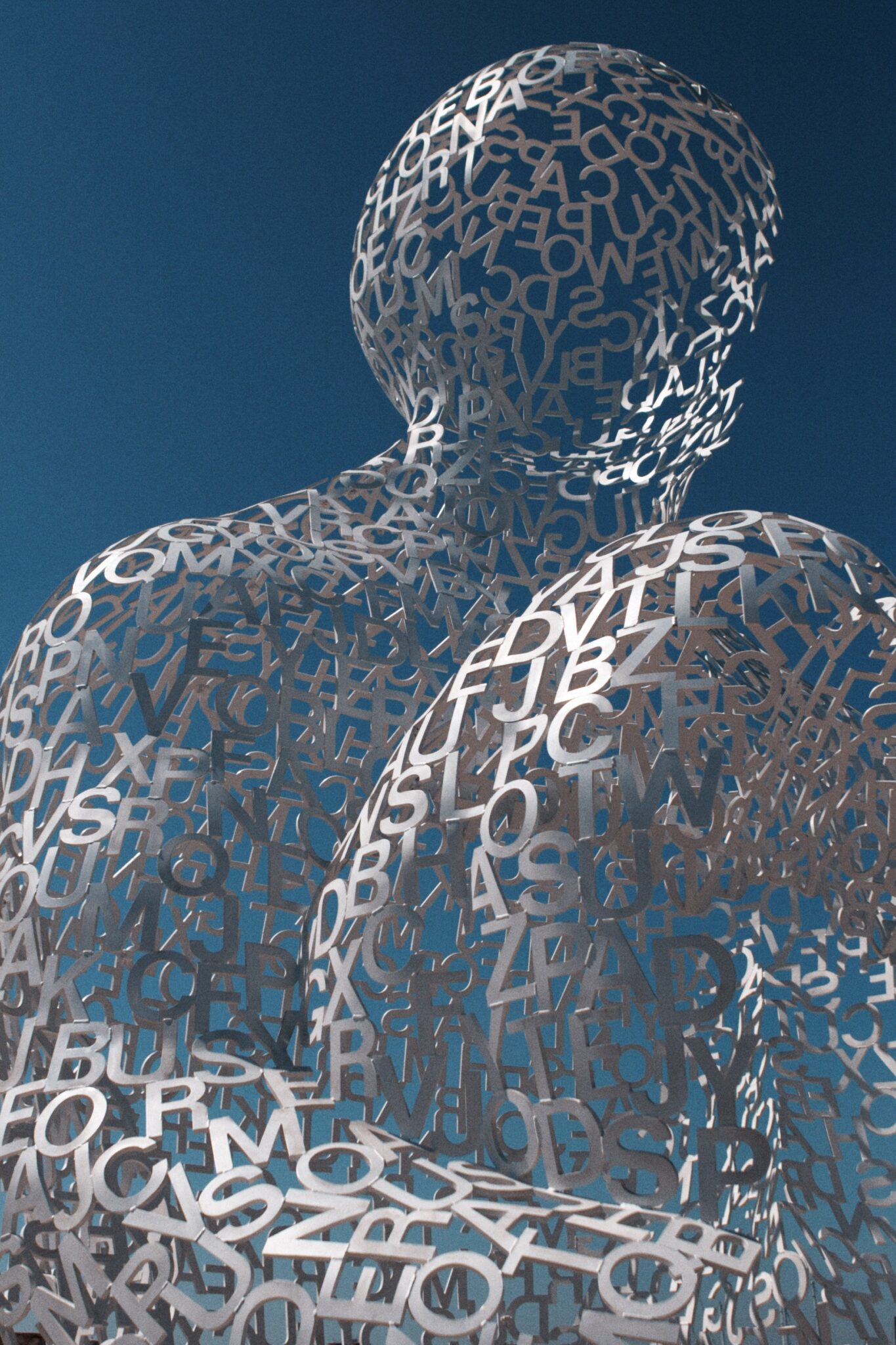
Image by anais_anais29.
It was around this time that Kevin stepped in. He urged me to make fuller use of my employee health benefits, to max them out if necessary. He believed strongly that health optimization required more than occasional visits to medical doctors. His philosophy was that conventional medicine often focused primarily on symptom management, while long-term wellness required a broader and more proactive approach.
He encouraged me to see a dizzying array of practitioners: massage therapists; chiropractors; acupuncturists; naturopathic doctors, and nutritionists. Given the state of his health vis-à-vis the state of my own, I followed his advice.
I began regular visits to massage therapists and chiropractors. When my neck pain flared up, I saw an acupuncturist—conveniently located in the building where I worked. I also consulted a naturopathic doctor periodically.
There was no dramatic breakthrough moment to all this. Instead, healing began to emerge gradually from the cumulative effect of these and many other small acts of care repeated consistently over time.
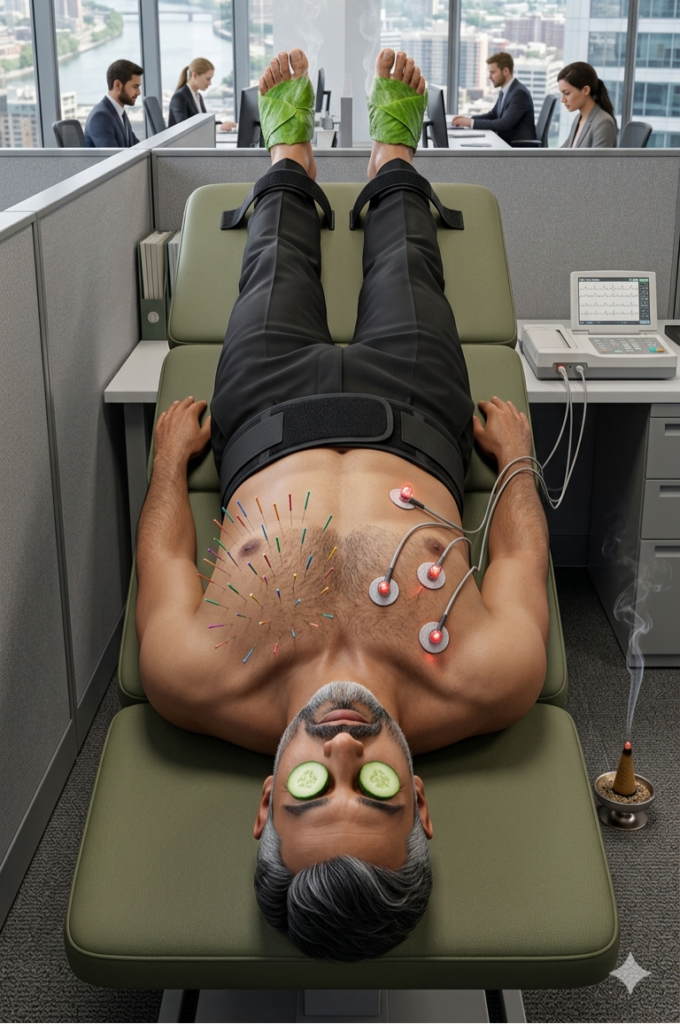
Image generated using Gemini AI, May 24, 2026, Google AI
At some point—I cannot say exactly when—both the miserable back pain and the galling neck pain simply disappeared. Vanished. Gone.
I was now free of a deeply stressful marriage. Thriving beautifully and creatively at work. And feeling physically terrific.
As can be imagined, all this changed how I think about health. Extreme self-care is not a single action. It’s not a day at a luxury spa or the occasional restful vacation. It is a philosophy of living. It means taking responsibility for your physical, emotional, relational, financial, and spiritual well-being before collapse forces you to do so.

Photo by Donald Merrill
Some years later, I found Cheryl Richardson’s The Art of Extreme Self-Care[1] and immediately recognized that Kevin had been practicing many of its principles instinctively, long before either of us had heard the term.
Richardson emphasizes that self-care extends beyond physical health. Emotional and spiritual well-being matter just as much. Over time, therefore, I began strengthening these dimensions of my life as well.
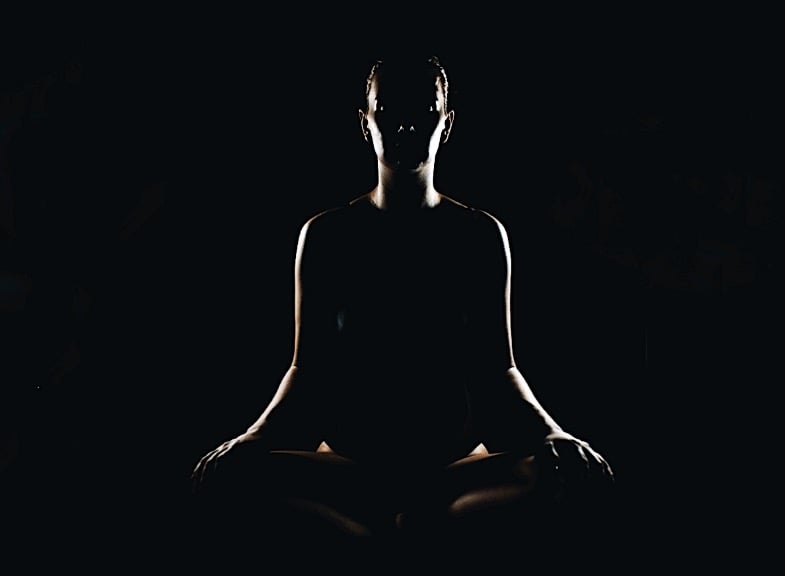
Photo by Max / Unsplash
I became involved, for example, in my local Unitarian Universalist Association (UUA) congregation, where I served on the Board, work as a greeter, and still participate in the Caring Circle ministry supporting congregants facing personal difficulties.
I’m now the Communications Director for my tennis club, which feeds my need for community; and I also became involved with Mentor Discover Inspire (MDI),[2] a men’s organization focused on personal growth, accountability, leadership, and support. The coaching I received there from other men—and the coaching I offered in return — became another important source of healing and growth.
Looking back, I now understand that loneliness had been one of the quiet struggles of my adult life.
Today I understand that being in community itself is itself a form of self-care. So is meaningful work and exercise. And so are spiritual practice, friendship, rest, and especially, peace.
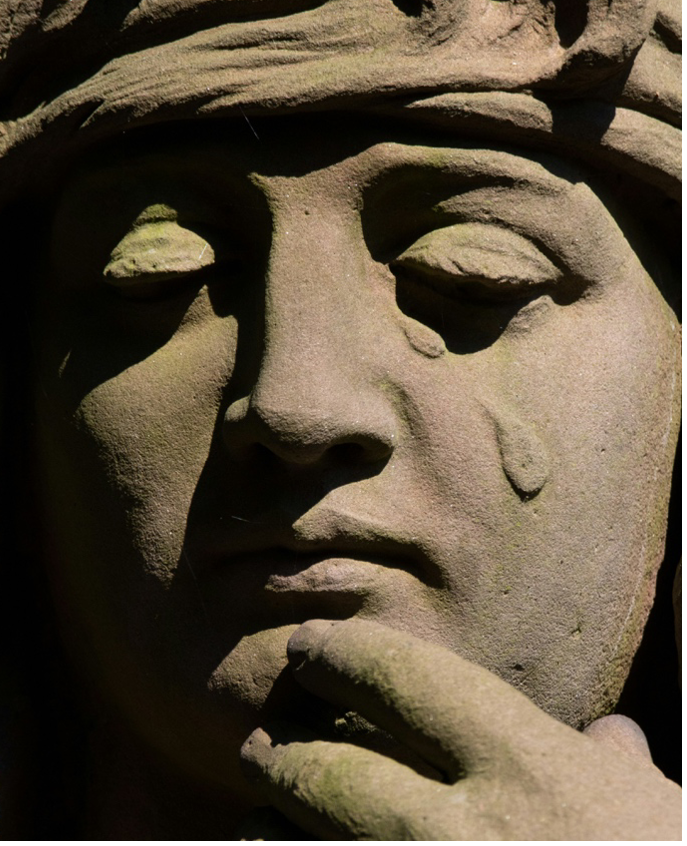
Photo (Cropped) by Marek Studzinski
Many people wait until they experience physical breakdown, burnout, divorce, depression, or crisis before they begin caring for themselves seriously. I should know: I did exactly that.
But if there is one lesson I have learned, it is this: Your body and mind are always speaking to you. Extreme self-care means learning to listen, and to act, before they begin to scream.
References:
[1] Richardson, Cheryl. 2009. The Art of Extreme Self-Care: Transform Your Life One Month at a Time. Carlsbad, CA: Hay House, Inc.
[2] Mentor, Discover, Inspire (MDI) is the parent organization and publisher of Legacy Magazine. mentordiscoverinspire.org
About the Author:
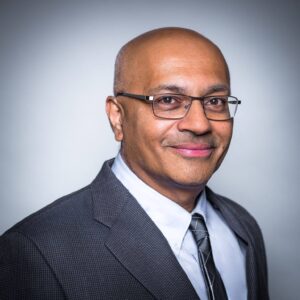
Among many other skills and accomplishments, Prakash Kabe is an engineer; a Master of applied
mathematics; a karate black belt; and an accomplished tennis and pickleball player.
He has two adult children and lives in the Greater Toronto area.
Frontispiece:

Erik Eastman / Unsplash