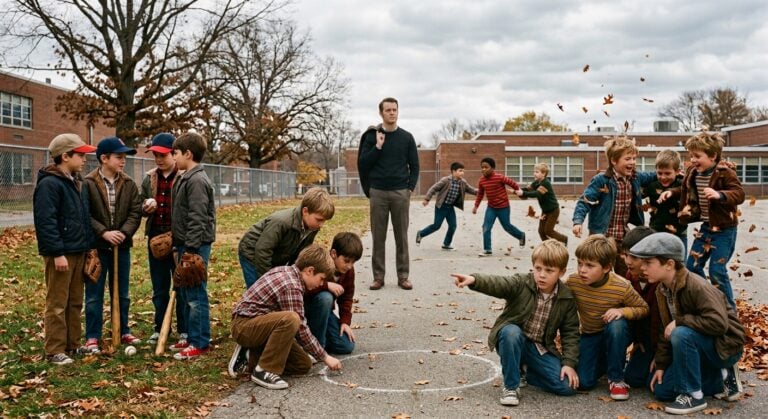

From the day I was abandoned on the doorstep — on the doorstep of my Evanston, Illinois nursery
school — I was popular. And, though I cried when mom walked away, I soon became the Big Man on Campus. Grade school was more of the same: I stood out in most sports, the girls and teachers liked me, and schoolwork was a breeze.
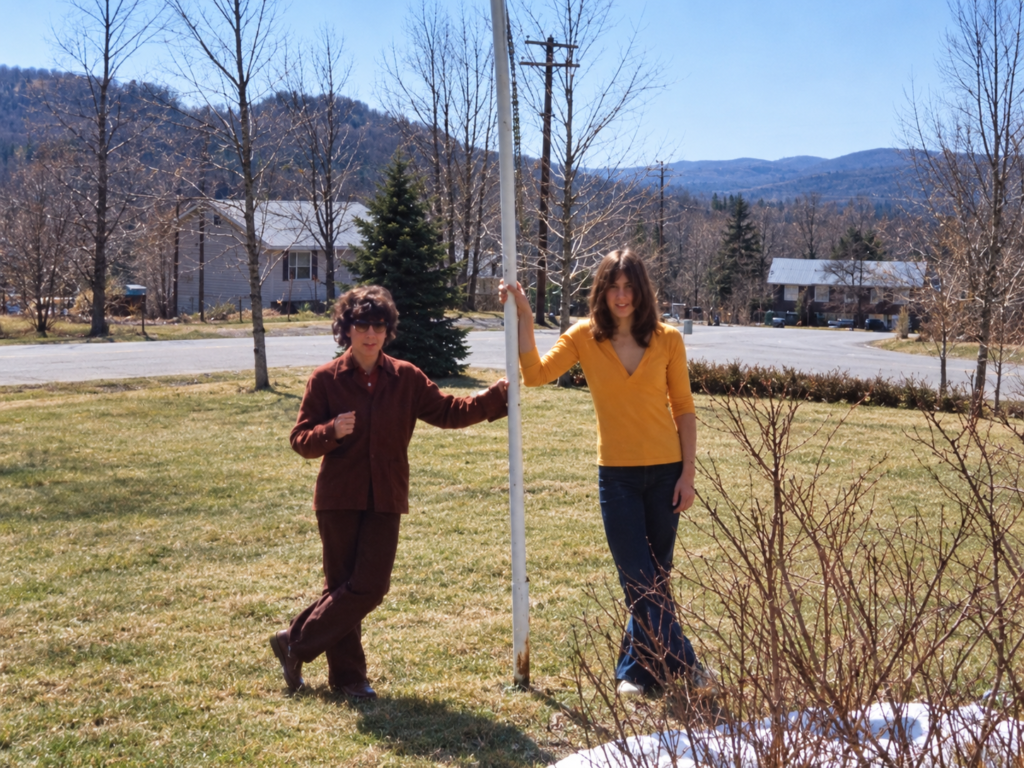
The author (in yellow) with his oldest friend, Steve DiBenedetto,[1]
Yorktown Heights, New York. Photo by Colin Kempner (1972).
Despite being yanked from neighborhood to neighborhood — New York State to the shores of Lake Michigan, to the northern boroughs of Toronto, and back — as my parents’ fortunes rose and fell; and despite having to make friends anew in each locale, I always had a best friend. He and I were part of a little knot or circle, and that knot nestled inside a wider, more dispersed group of cliques and clumps.
And I was always at or near the center, the nucleus. I was the kid who found other kids at my door asking, “Hey, can Danny come out to play?”
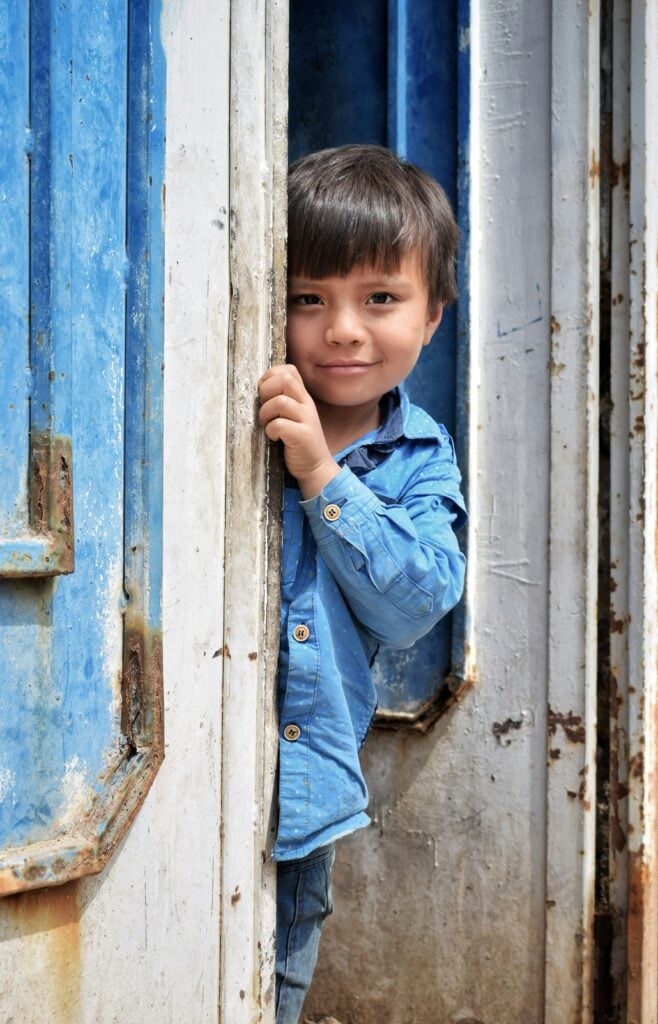
Photo by Fateme Shahabi
Junior high ushered in my guitar-hero, star-of-the-school-musical era. With it came the long hair and first whisps of mustache. I rocked. I rolled. I had my own circle and was welcomed in others’ circles: in the sports locker rooms, the pot parties, and even with my sister’s high school throng. I was a living Venn diagram of adolescent relationships.
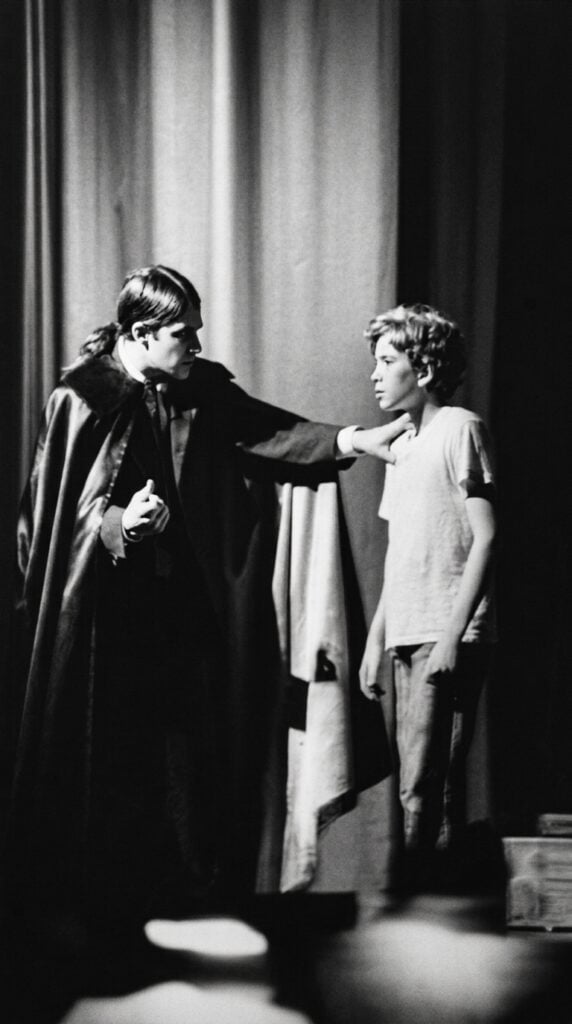
The author as The Devil in this 1973 middle school production
of Damn Yankees. [Note: photo enhanced for detail and
graininess by Gemini_AI.]
But then I grew up. School was over. I moved out on my own and suddenly it got complicated. I was an adult now and life was no longer providing me with an endless stream of potential pals to choose from. No one cared if I could throw a baseball. Good grades were in the rearview. No more sports teams or choral groups or parties after the Battle of the Bands. Now I was driving cabs in New York city, at night, alone. Or I was working in a store, or in an office as an executive assistant.
I got married too, and there was financial stress and little time or energy for play. Though I met people whose ideas or manner attracted me, it somehow wasn’t as easy to casually ask, as we did in the old
neighborhood, “hey, you want to come out to play?”
These were grownups, with cars and kids. And the muscles animating my get-to-know-yous seemed to have atrophied, shrivelled up. I found that asking a man I knew slightly to hang out was every bit as scary as asking a woman on a date had ever been.
“Beginnings are such delicate times,” Frank Herbert wrote in Dune and that seemed true to me.
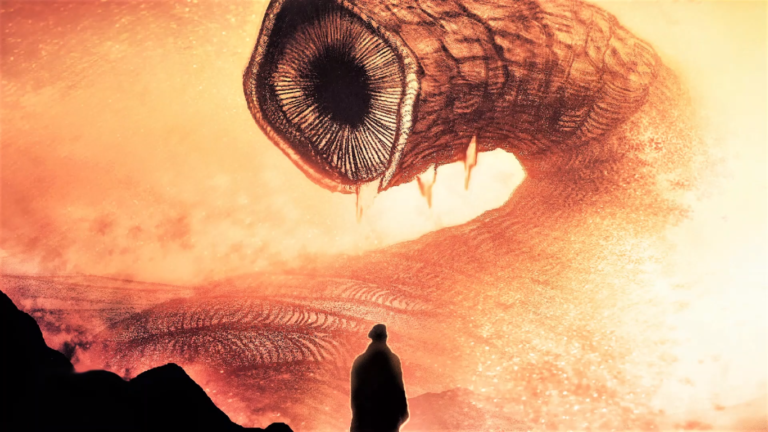
Dune Sandworm. Original ‘fan art’ by Astronimation [CC 3.0 wikimedia].
At some point I had divorced and, when I eventually remarried, it was to a woman possessing a huge catalog of friends on two continents. She still chatted with her entire high school group back in Asia; with her college pals, the neighborhood group, and a significant smattering of unaffiliated friends she’d made once in Boston. I had, at that time, exactly one friend. One. And wow, was I envious, but I seemed to have lost the chops.
This was, I eventually saw, a real emergency. Action was needed. The muscles and systems that created solid friendships had to be rebuilt. I went about it with gusto, taking the standard “Hi, how you doin?” to the next level, namely, “Hey, how you doin? Would you like to have coffee?” and my circle grew. My fiftieth birthday saw a full house of people that felt — despite the addition of wrinkles and the subtraction of pot smoke — remarkably like the gatherings of my youth.
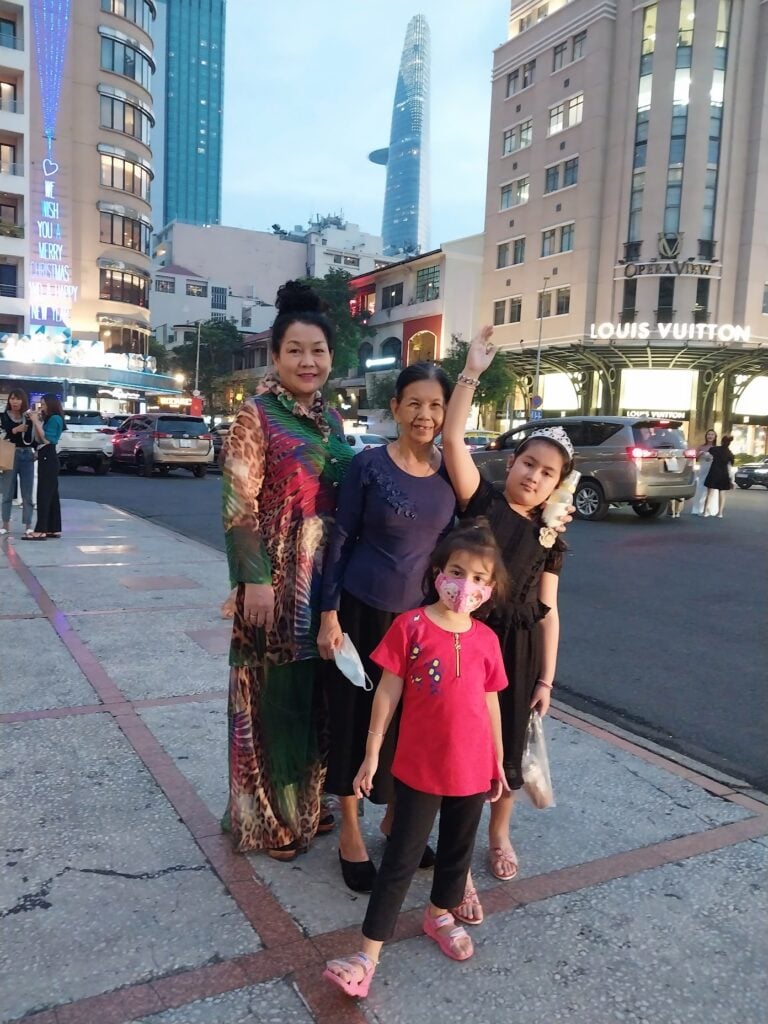
The family in District 1, Hò Chí Minh city, Vietnam.
Mother in law Hà Pham; nanny Sáu; daughters Kailin and Annika.
Photo by Trúc Kempner
In the midst of this renaissance, my family — there were now three of us and a fourth on the way — moved to my wife’s home in Ho Chi Minh city, Vietnam. I was again, for all local intents and purposes, friendless. There were, it is true, many expatriats in th town but we lived in another quarter and somehow I couldn’t crack that scene. The locals were thrilled to meet me but, though I tried manfully to master Vietnamese its hideously difficult tones defeated me.
When I left that land eight years later, I left no lasting friendships behind. Instead, for various good reasons, I took my little family to a place I’d never even seen before, a city where even my wife knew no one: Sheffield, England.
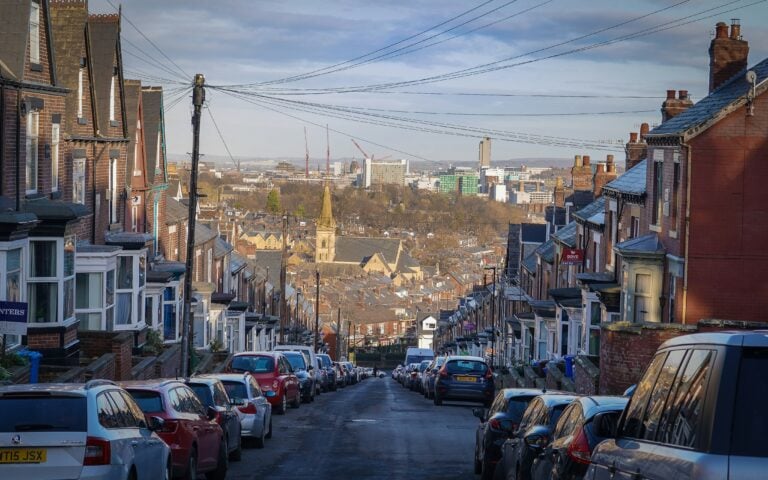
Sheffield, England. Photo by Ben Elliott.
So now it’s time (sigh) to start all over again. Will it be a parent met while dropping my daughters off at school? Will it be a neighbor? Perhaps that Sri Lankan fellow I met charging his EV around the corner who said, “stop in any time.” Will I stop in? And if not him, then whom? Can those shriveled, weakened friend-making muscles be coaxed into action and pumped up once more?
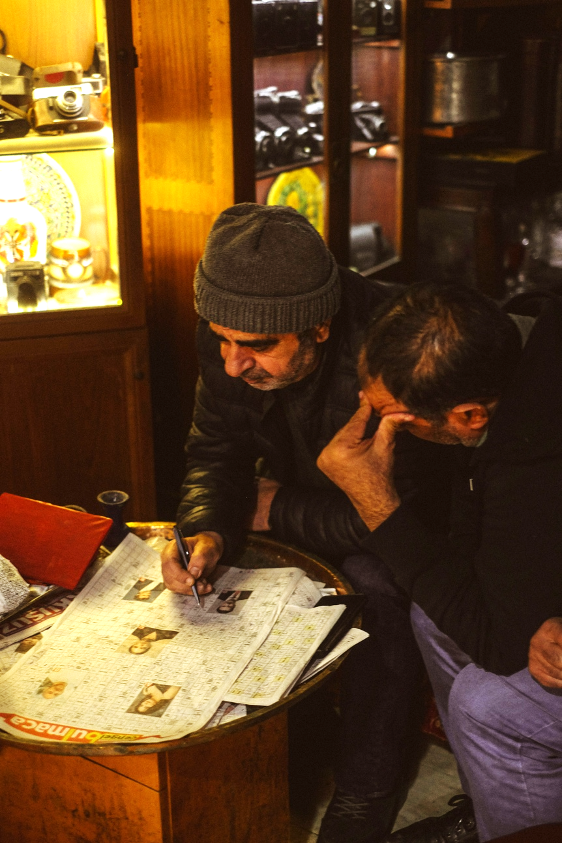
Photo by Alicharmant.
We’ll see. But that is my clear task, my personal mission. I’m not alone, nor am I lonely. I have my wife, and my girls, and I see all sorts of people online. But a man should have friends nearby: men he can stroll with, play catch with; men he can meet for ‘a swift half’ down the pub. Men he can play a game of checkers with, men he can confide in. Or, in the best case, men he can do the crossword with or just sit near while they read the paper.
Men need friends. I need friends. Wish me luck. And, oh yes… they speak English here.
References:
[1]Steve Dibenedetto — who used to borrow my father’s markers in order to doodle — is now a world-famous artist. He remains, though far away, a very good friend.
[1] Frank Herbert, Dune (Philadelphia: Chilton Books, 1965)
About the Author

Dan Kempner is Executive Editor of MDI Legacy Magazine. He is based in Sheffield, England, where he lives, works, writes, and cultivates a tiny pear tree.
He is very happily married with two young daughters.
A Word on the Frontispiece...
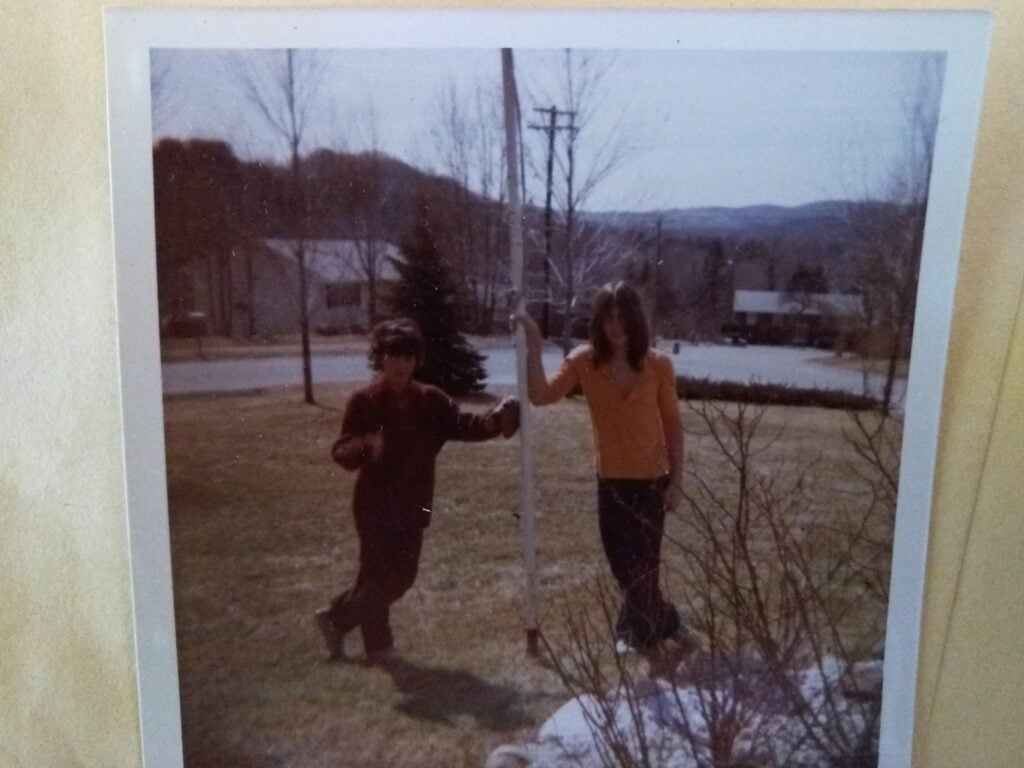
Original photo of Steve DiBenedetto (Left) and Dan Kempner (Right) by Colin Kempner.
The frontispiece is a copy which has been enhanced for detail, clarity, and graininess by ChatGTP AI.