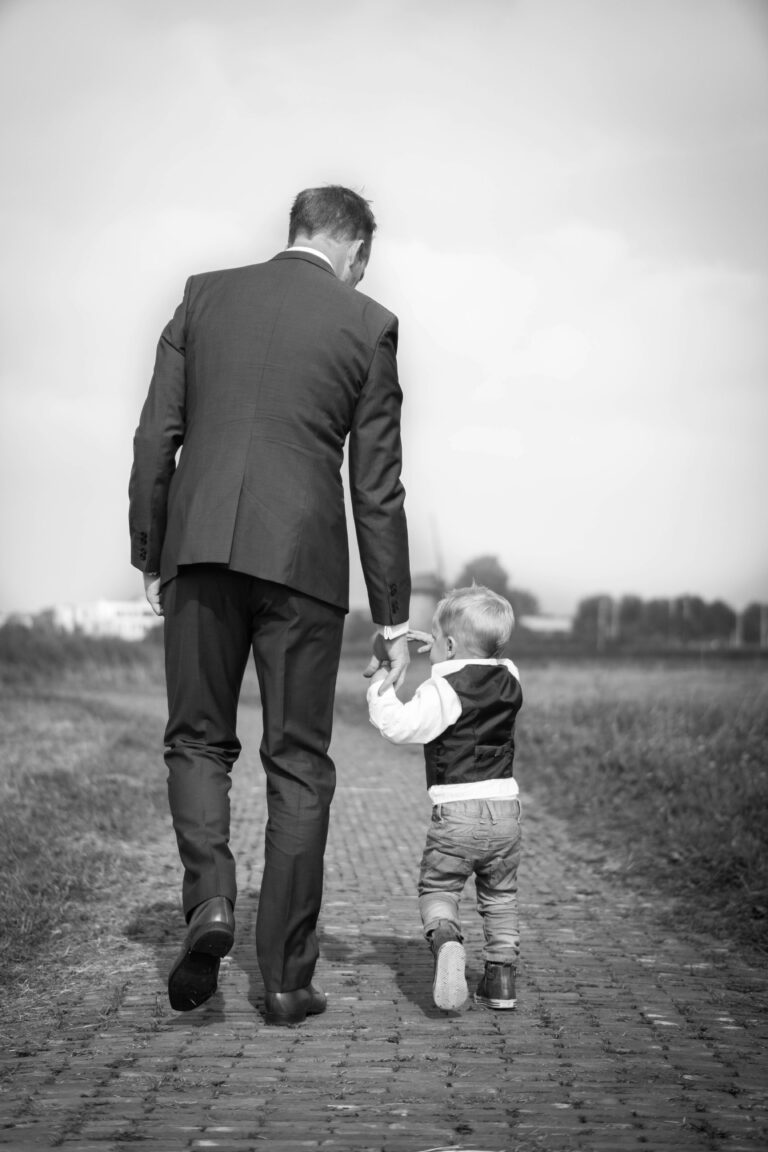

When I did my first men’s weekend, I was asked to list three changes I wanted in my life as a result of that event. One of the changes on my list was to have a better relationship with my father before he died.
Spoiler alert: I couldn’t get that change from my weekend. But I was shown the work I had to do to make that change happen and it came from one of the exercises we did. It was about gratitude, and thanking my dad for all that he had given me.
Much of that was easy.
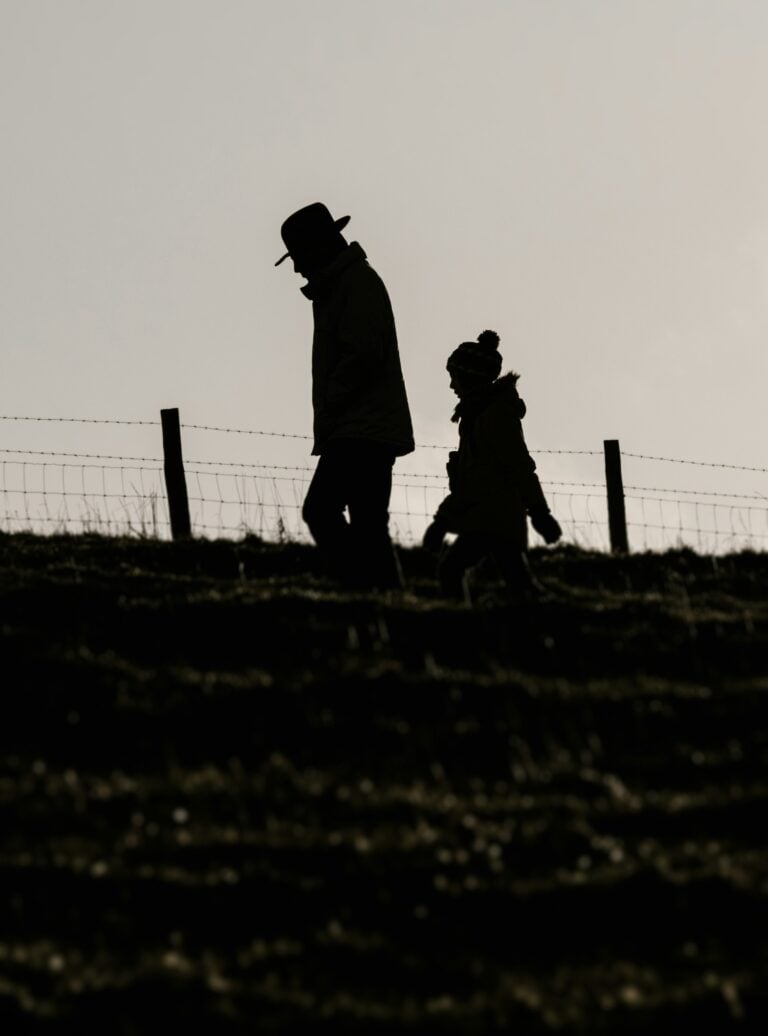
Photo by Matt Seymour.
My father was an honest man. He spoke truth to power wherever he saw the need. He was hard-working and provided for his seven kids. He had an amazing sense of humor. He was great at most sports. He served in both WW2 and Korea.
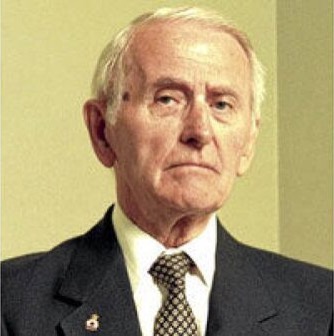
Kenneth Edward MacDonald,
July 24, 1921- September 2, 2009
There were many things he gave me that I was easily grateful for. But there were also things I could never thank him for.
My parents lost their third-born child, my oldest sister, when she was just four years old. She died of leukemia. My father was shipped home early from Korea to watch her live (or die) her last six months. That ordeal almost took his life, too.
He checked himself into an army hospital. Twice. He spent months trying to work through the grief and anger he had inside.
Over the years, the pattern was always the same. Binge drinking. Sadness. Then the anger would come. The rage would start. Things would happen. Then the remorse, the apologies. The swearing not to drink again. Then things would go back to normal.
Until the next time.
Photo by Maxim Shklyaev
To thank my dad for those lessons? I was not capable. How could I ever thank him for what he put us all through? I won’t go into detail, as it’s not just my story to tell. Suffice to say, this exercise in gratitude was beyond my skillset.
At the completion of my weekend, I was put onto a point team, and learned what it meant to be supported, and more importantly, to be supportable.
My team quickly homed in on my struggle. They helped me see that not all lessons were easy. And that I, in fact, learned many lessons from my father that up till now, I didn’t even want to think about.
An axiom I kept hearing in those days was that a father’s role is to prepare a son for life. And the son’s role is to prepare the father for death. That meant making my own way in the world. Showing my father I could stand on my own two feet. And provide for myself and others.
To complete this exercise, you had to thank your dad for everything. Everything. The good. The bad. And the ugly.
My point team helped me commit to doing just that. I felt ready, but scared shitless to bring up that history with him.
I got a lot of advice: don’t stand or sit face-to-face. Be shoulder-to-shoulder, facing the same direction. Pick your moment.
I returned home for Christmas six weeks after my weekend. I had committed to my point team that I would have the conversation at that time. My parents were in the middle of a move, and I found my dad going through a box of old photos in the spare bedroom. I sat beside him on the bed, looking at photos, talking about the old days. Then I realized, if ever there was a time to thank my dad, fully and completely, this was it.
My heart was racing.
Now, my dad was fucking hardcore. He was physically and intellectually intimidating. He was a drill sergeant in the army. A boxer. A street fighter. And he had grown up in the depression with eleven siblings and half siblings. He devoured books and crosswords. He had a quick wit. And quicker temper.
But I had my point team back in Toronto. I’d made a commitment to do this. I needed to do this.
I wasn’t exactly sure how it was going to go but I started by asking if he’d mind if I said a few things. He said no, he wouldn’t. I told him I wanted to thank him for all the lessons he gave me. I went through them one by one: the honesty, the hard work, the humor, the sports, teaching me how to write, etc. His shoulders seemed to relax and I continued.
“I also want to thank you,” I said, “for the other lessons you gave me. I want to thank you for all those times you were an asshole. The times when you were drinking.”
My dad didn’t say a word. He knew exactly was I was talking about.
Then I told him how those times had taught me how to grieve differently and how to be tough in the face of life’s adversities. That having those experiences prepared me for the hardships that came my way. And gave me the confidence to face things, no matter how afraid I was.
He was silent for the longest time. I couldn’t see his face, but I knew he was taking it all in. And then he said thank you to me, for saying what I’d said. And then he added it was funny that my oldest brother had said pretty much the same thing to him, a few months before he was killed in an industrial accident.
The recollection of that night brings tears to my eyes now.
We didn’t hug. We just sat in silence for a long time. He kept going through the photos. Then he gave one to me: it was of my younger sister and her three young boys, and the ex-husband who had left them all for another woman.
“Now, there’s a good father!” joked my dad. We both laughed.
In the twenty years leading up to that night, my father had visited me in Toronto only a handful of times. Once for a hernia operation, once to see Riverdance[1] (he loved that show) and one or two fly fishing trips. In the time after that night, he was coming to visit me once or twice a year, arriving via train from eastern Ontario. We’d go to jazz clubs, watch movies, ball games, fish, eat in restaurants, and walk the streets of the city.
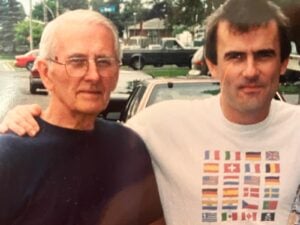
Two MacDonalds
I even got him to a men’s division meeting in a large park north of the city. It was something he remembered, even with his dementia, right up till the day he died.
References:
[1] Riverdance, composed by Bill Whelan, directed by John McColgan, produced by Moya Doherty, performed by the Riverdance Company, Hummingbird Centre, Toronto, ON
About the author:
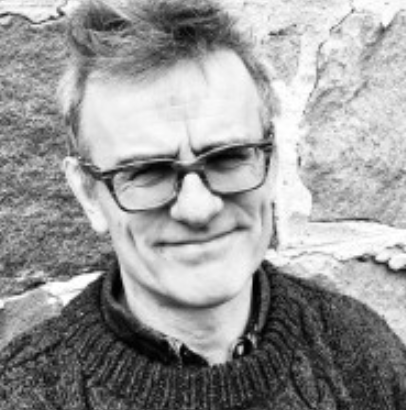
Ron MacDonald is a freelance writer and creative director. He lives with his wife
and two children near Owen Sound, Ontario