
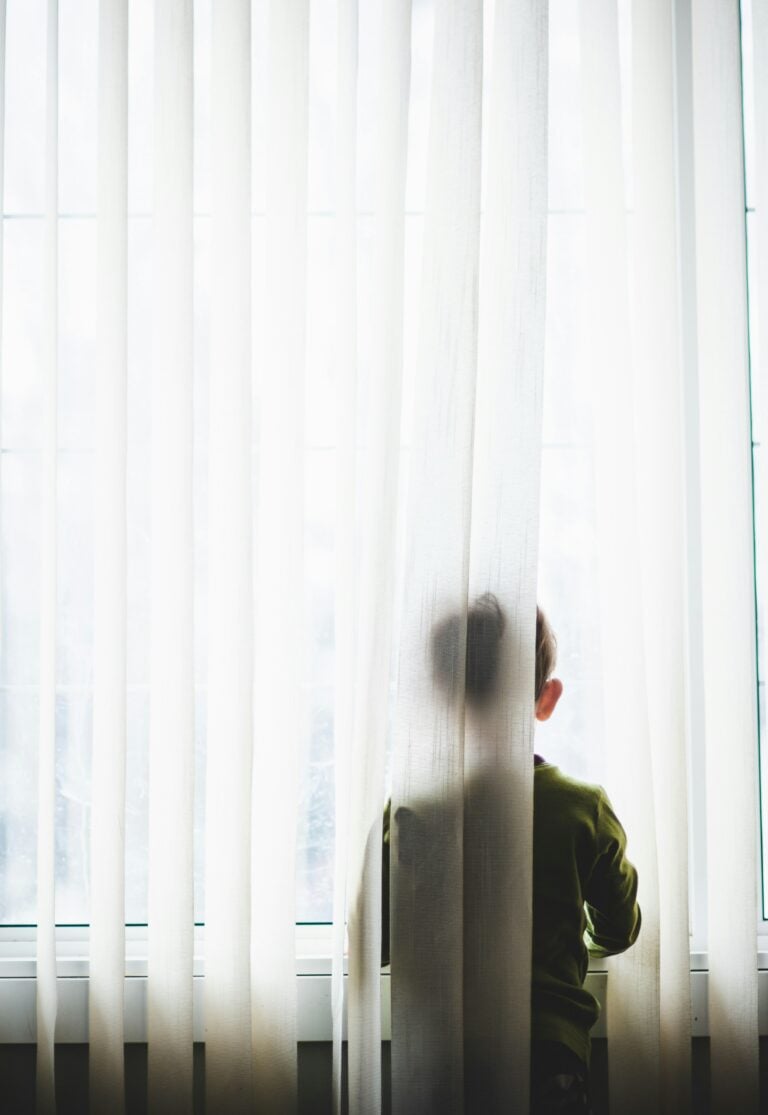

I was an extremely sensitive child, the fourth of six children in a chaotic household with two working parents. I sucked my thumb well beyond the age when most children stopped and was still wetting my pants in the primary grades.
I was afraid of the world and spent much of my childhood in front of the television. I was a mama’s boy. My brothers wanted to spend time with my father and be like him. I was afraid of him and avoided him.

Photo by Mali Desha
At thirteen, I started babysitting and discovered how good it felt to make little children laugh, comfort them when they were upset, and help them feel safe. Those experiences changed the direction of my life.
By seventeen, I was working with at-risk children in Toronto’s Jane and Finch community, and by my mid-twenties, I was working with young offenders in an open custody facility.
It was there that I encountered a very different understanding of what it meant to be a man. The men I worked with routinely used intimidation, threats, and sometimes physical violence to control the boys. My own supervisor advised me to deliberately hurt the boys during physical restraints so that I would have to restrain them less often.
These men saw me as weak. The women I worked with could see that I was building relationships with the boys and earning their respect. I was beginning to develop a healthy masculine authority grounded in courage, compassion, responsibility, and the trust of those in my care.
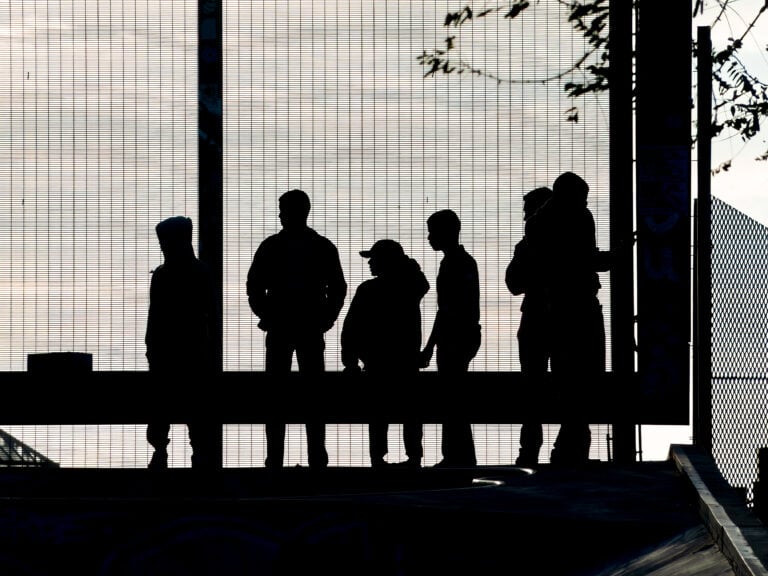
As I became an individual and family therapist, I encountered many fathers who relied on anger, fear, and shame to raise their children. I knew that helping these children meant confronting these fathers and holding them accountable for the impact their behaviour was having on their kids. For much of the past thirty years, my work has been with high-conflict families.
I was warned many times about confronting men who might sue me. I’ve had angry men in my face and, over the course of my career, I’ve been punched, bitten, spat on, headbutted, and had my hair pulled. I have scars from my work and have required physiotherapy on several occasions.
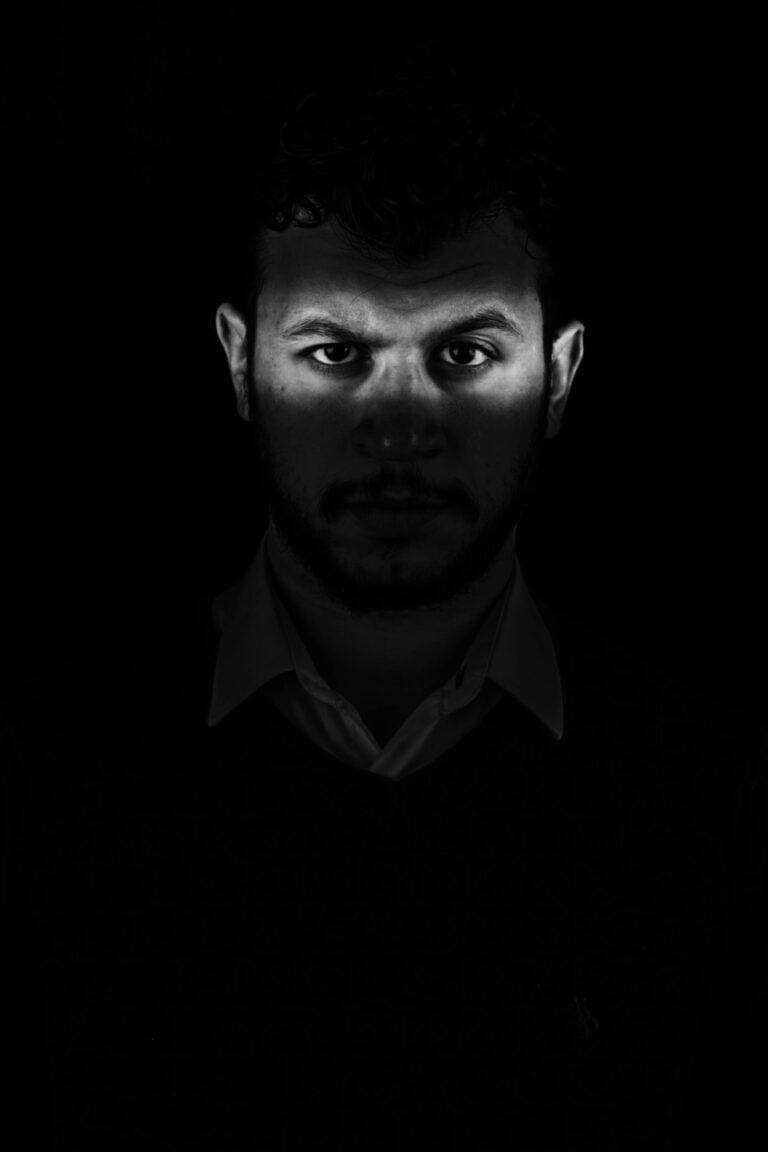
Photo by Muhamed Alaa
Through it all, I remained committed to manning up for the children who needed me to.
Many years ago I realized that, essentially, I fight with people for a living.
I fight with sons and daughters, mothers and fathers, to help them change the way they relate to one another and to help parents develop an authority grounded in trust and respect rather than fear and shame.
I will always be grateful to the children who taught me what it meant to man up and to the dads who were willing to let me challenge them and help them become better fathers. This work has given my life tremendous meaning and purpose.
Over the past few years, however, I have been struggling with burnout. After a lifetime of doing this work, I’ve come to realize that I no longer have that fight in me.
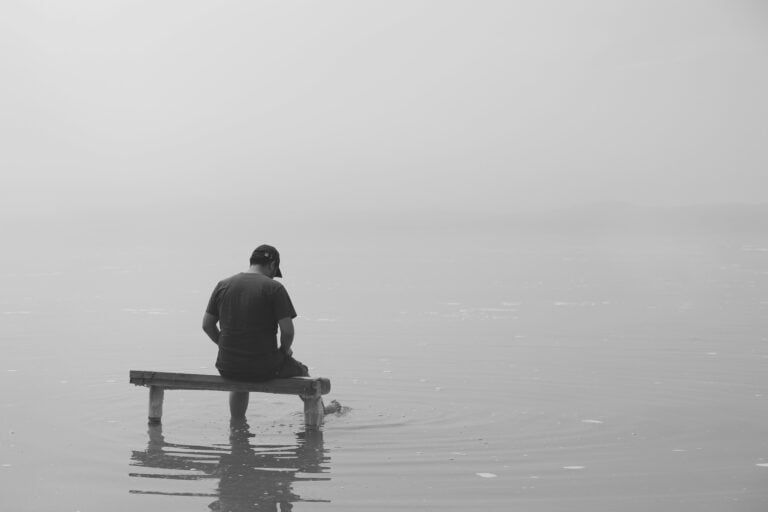
Photo by Hasan Almasi
Now, as I wind down my career, I am faced with a different challenge. Having devoted so much of my life to the needs of others, I’m increasingly aware of how much I have neglected my own. As I enter my life’s last chapter, I need to direct that same strength, energy and commitment towards my own needs and aspirations.
Thankfully, I have a team of men whom I can count on to challenge me and help me man up: for myself, and for my own inner child.
About the author:
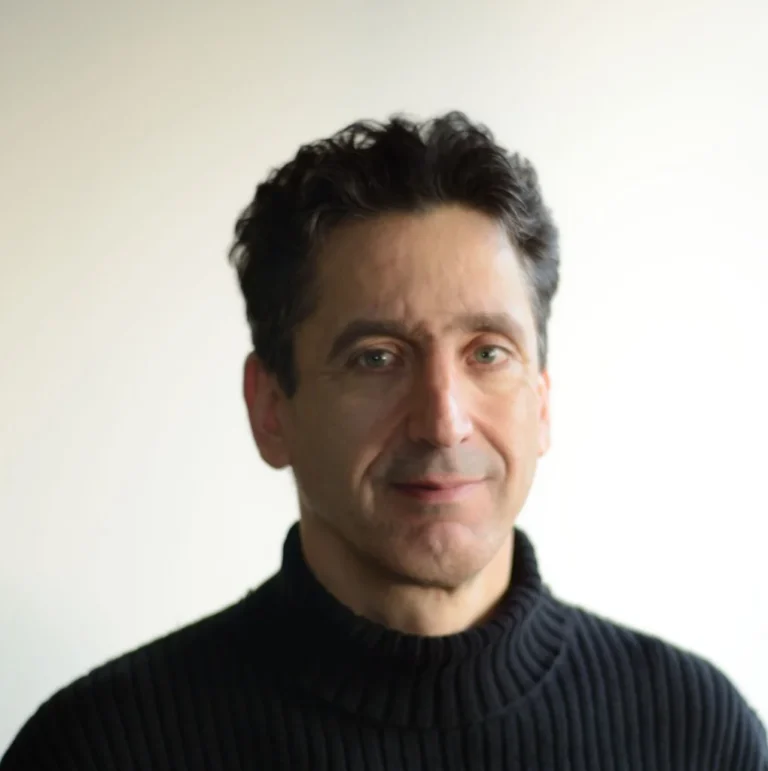
Danny Firestone is a psychotherapist and the founder of PEACE Psychotherapy in Toronto. He has spent more than forty years working with adolescents, adults, and families, and specializes in trauma and high-conflict family relationships. As he approaches retirement from clinical practice, his attention is turning to writing, teaching, and mentoring therapists, drawing on a lifetime of personal and professional experience.
Frontispiece Image
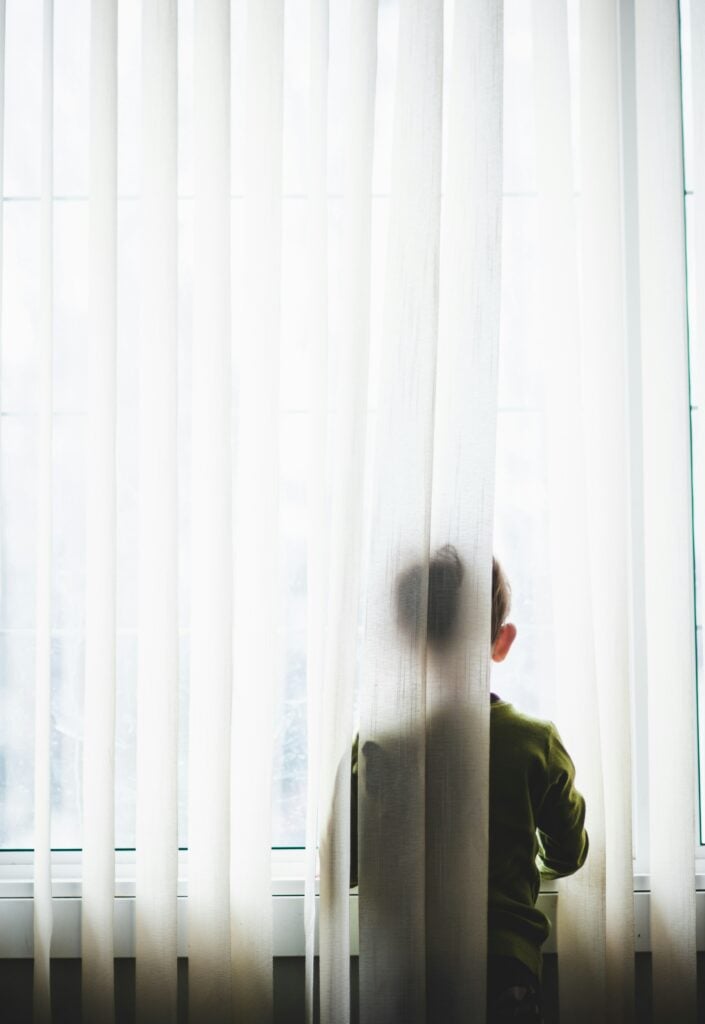
Photo by Jess Zoerb
Background Image
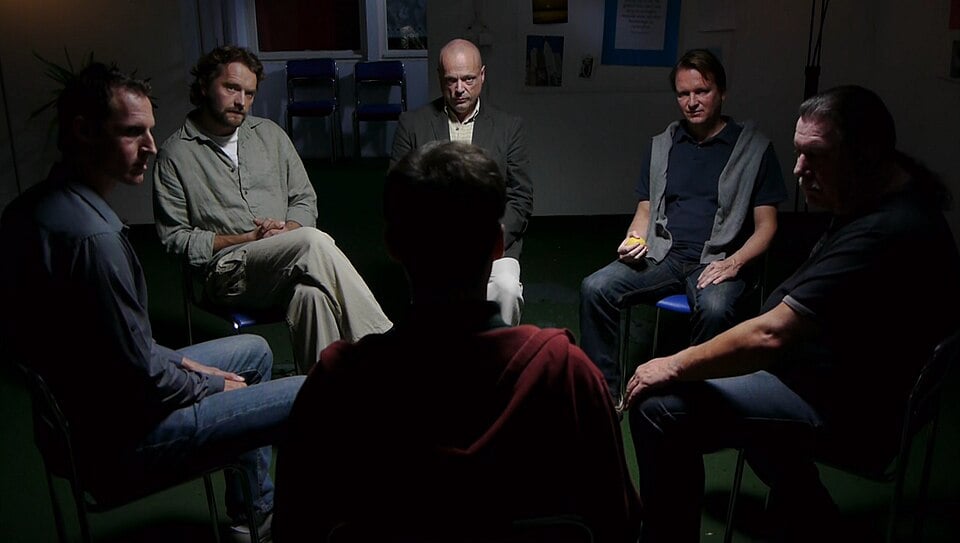
Scene from the film eMANcipation