
I’ve always struggled with staying positive in light of so many things in life that seem so negative.
How do I stay positive when so much about life is so disappointing?
These questions I pondered for years and it was critical that I answer them: I was no fun to be around. Failure to change would have isolated me.
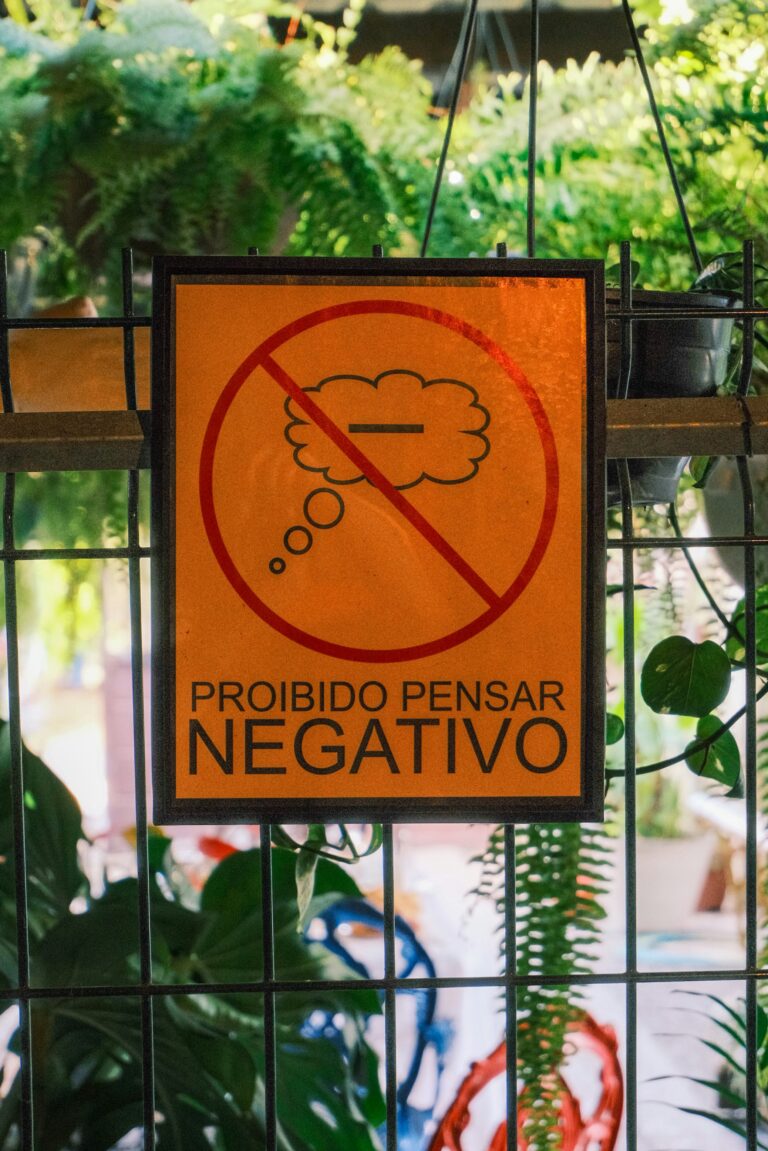
One technique I learned to utilize was the self discipline of positive self talk. I developed a way to boost my inner dialog rather than cutting myself down. Doing so helped me see that negative thoughts begat negative thoughts. I realized that in thinking, as in math, two negatives do not equal a positive: they just make a larger negative.
It was the self discipline to focus on what I was doing well, and the positive impact I had on other people, that helped me turn the tables.
Strangely enough, thinking more upbeat thoughts, and being aware of what I was doing successfully, had me projecting confidence.
Even when I struggled to stay consistent, I still found ways to think positively by using my imagination.
Even when I struggled to stay consistent, I still found ways to think positively by using my imagination.

A side benefit here is the ability to be more logical, less anxious. This has enhanced my ability to see things practically, and thus has helped in my counseling practice.
Under all my learning, and the wisdom I’ve accumulated, is the need to really establish trust in myself. Without it there’s nothing you can teach because you can’t back it up with examples. Had I developed trust at a younger age, my younger self would’ve had more confidence, not had to struggle so long to gain it. Once the trust came, more clarity did too and with it more concise decisions when it came to the family and leadership roles I’d undertaken.
Trust in myself gave me the roadmap to being comfortable in my own skin, and to truly be comfortable with others; to feel good about who I am and what my intentions are.
If I’m clear about those then, when people attack me — emotionally, verbally, or otherwise — I don’t have to take it personally. It’s about the other person, not about me directly. And because I’m clear about who I am and what I stand for I can keep my wits about me when confronted. That is so much more freeing than being clouded in my thoughts, thinking I did things there’s a good chance I didn’t do.
This insight too has been a big help in my psychology practice, assisting me help others feel more effective.

Now, when it comes to discussing the man-woman dynamic with the young me, that would be a challenge. I didn’t know a thing about women when I was younger and, I’d point out, I still don’t have a handle on it. But the main lesson is simply that they are different. It’s being able to spot the differences that can help a young me understand them with greater dexterity.
Finding the complementary pieces my wife brings helps me become a more informed man when it comes to raising children, making life decisions, or finding someone better at the details than I am. The pieces she fills in make me more complete. And now, having been married for thirty years, I can tell you that understanding this concept will help you to be more effective in life. Knowing how to fill in the gaps with another’s perspective is priceless.
There was a time when I felt that perhaps I’d never learn these things, that good things would never happen. Teaching myself to be patient helped me: I realized that, by not rushing into things, I could actually make good decisions, find something durable, within a range I could work with as a life partner.
And I learned — trust again — how to coexist with my wife despite not understanding females. To that young man I say, keep that childlike spirit alive and well. Find ways to restore a child’s way of seeing the world with awe. Yes there are disappointments, and roadblocks along the way, but don’t take things at face value: look at what might lie beneath the surface and you might find the resiliency that will make it all worthwhile.

I guess, in the long run, learning to be the mature man I’ve become helped me create a good life. Telling my younger self some key points probably would’ve allowed me to get to the good stuff sooner.
Mentoring that young man would’ve been enjoyable, too, seeing how my two sons are with me now. This is the funnier, and perhaps the more poignant, when I recall that as a teenager I swore I’d never raise my children as my father raised me. Not that he was a bad father. He was just too serious, and couldn’t allow himself to relax, to enjoy his own life. In a way his shortcomings paved the path for me to learn how not to be, and what to actually shoot for, without needing him to tell me what he wanted me to learn.
Sometimes, the best life lessons are unspoken.
About the Author

Mark Gofstein is a clinical psychologist who has
worked with children and families for nearly forty years.
He is married, has two adult sons, and lives in Massachusetts.
He is a long-time member of MDI and currently serves on its
Board of Directors.