
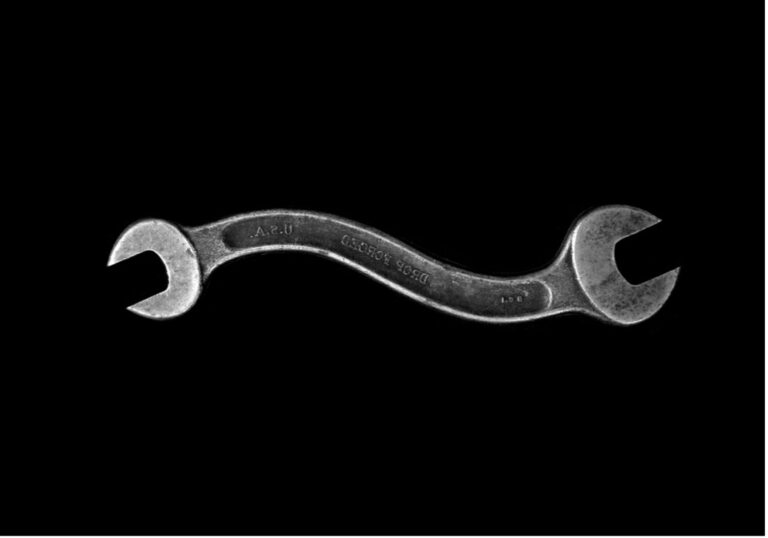


Tool-Time, Revisited: A Riveting Column
I made it off the island in one piece! It certainly looked desperate at times, lying on the beach in torn clothes, all fucked up. I managed to keep my CLS cap from the company I once owned but the boat was lost with all (other) hands. But, by a miracle, my Ultimate Home Tool Kit was rescued with me.
With it I had kindled fire as ancient men did; climbed a tall palm with just my arms, legs, and a few tools to gather coconuts for their water, meat, fiber, and shells. I had dived into the ocean with nothing but a piece of sharpened wood, speared a lobster, and took a bite raw before tossing the carcass on hot rocks to cook.
And now this. Home! And ah, the garage – my home away from home. Put the radio on like the old days, tune-in to my favorite talk radio to find out what’s been happening in the world, or dial up my favorite FM groove.
Now, it’s time to build up my tool kit again, because being prepared is a part of my personal code.
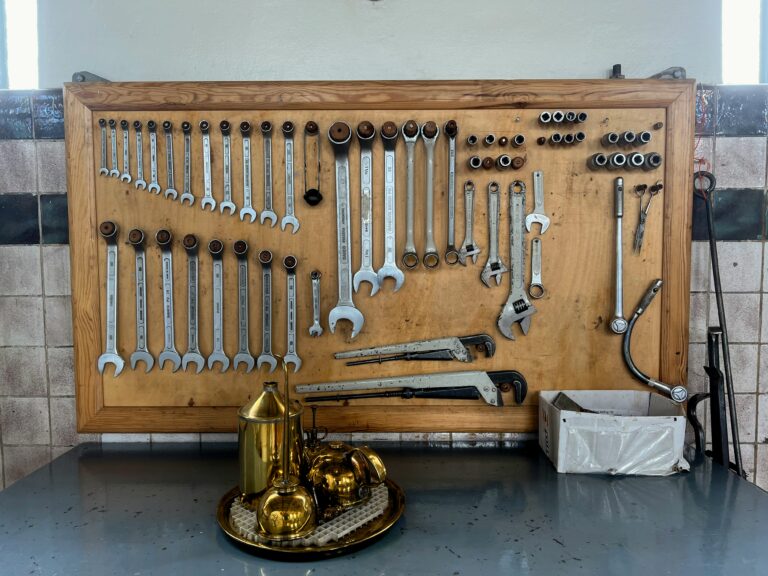
Wrench set in Rejkavik, Iceland. Photo by Freysteinn G. Jonsson
We’ve talked about hammers, dug into the history of the screwdriver, and examined their cousins, the chisels. On the island it was all about the primitive, and that felt good, so before we get back to cordless power tools — those things are bad ass — we should get into another primitive, can’t-do-without category, the wrenches.
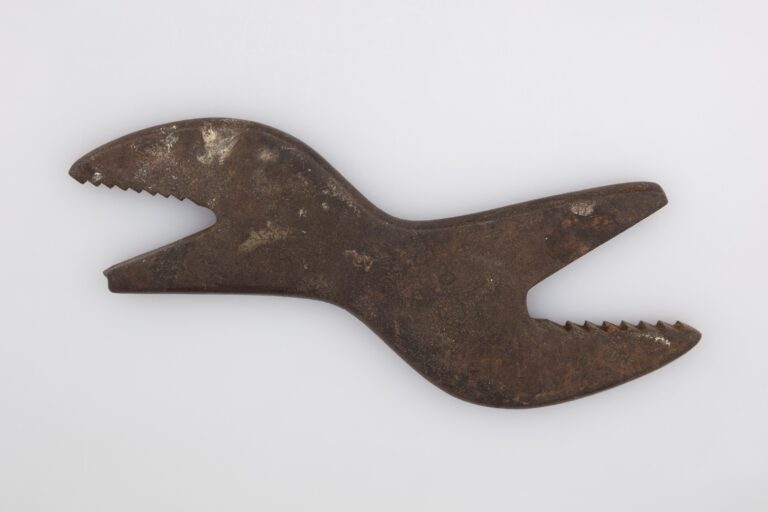
‘Always ready No. 2’ Alligator wrench, Whitman and Barnes Manufacturing Co.
Photographer unknown.
There are many wrench types: crescent wrenches. Allen wrenches. Open-end wrenches, box wrenches, combination wrenches, ratchet wrenches. There are stubby wrenches for cramped work, pipe wrenches too. Shit, how many are there? Do you need them all?
Maybe. Depends.
Let’s delve into the history of the wrench. Unlike the hammer and chisel, this tool doesn’t go back to the mists of time. There was no need for this innovation until the invention of threaded nuts and bolts. The wrench, called a spanner in England, is used almost exclusively for tightening or loosening those and its origins trace back to the Renaissance, when local blacksmiths forged tools for fastening specially threaded bolts on tournament armor.
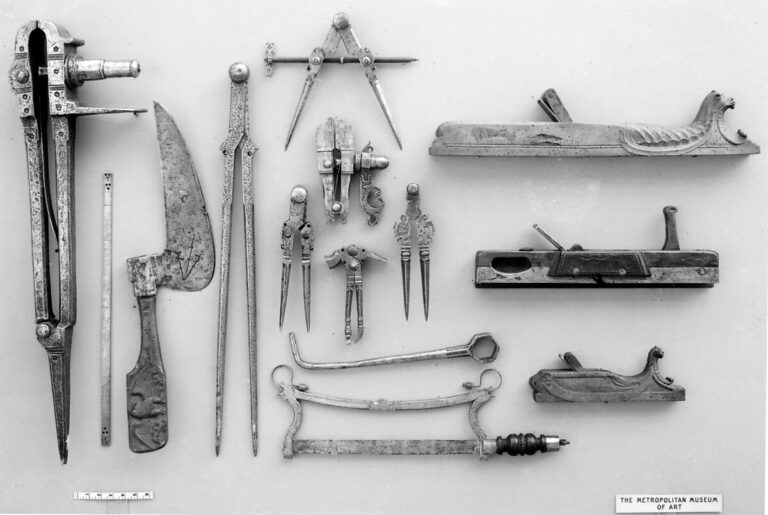
A set of German armor-fastening tools in the Renaissance. The largest, far left, is
an armourer’s hand-made vise-and-lever wrench. Photographer unknown.
Collection of the Metropolitan Museum or Art, New York City.
It was only in the 19th century that mass production began and, in 1835, inventor Solymon Merrick of Massachusetts broke the field open with U.S. patent No. X9030, granted for the first known adjustable wrench.
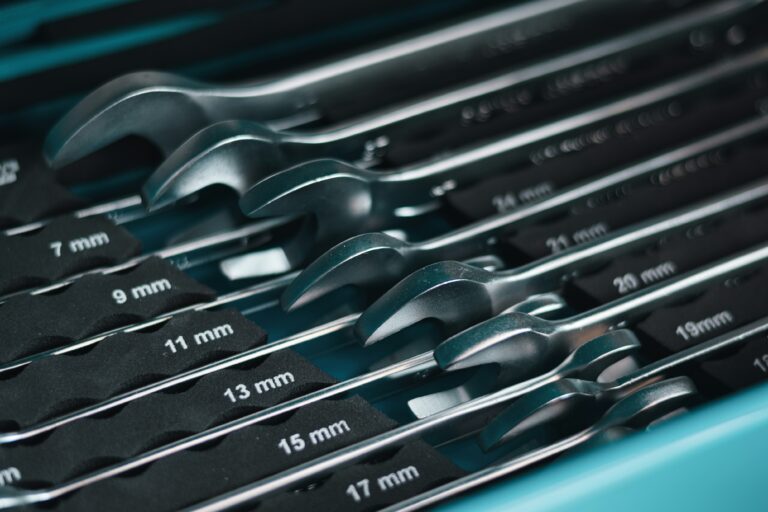
Spanners. Photo by Vladislav Klapin
To this day, locksmiths in the United States, me included, use a spanner wrench in specific circumstances. The crescent wrench, known for its adjustable jaw, was introduced in 1907 by the Crescent Tool Company. I have one and use it often.
The Allen wrench, also known as a hex key, was first patented by the Allen Manufacturing Company in 1910, making it a staple tool in various industries. Its design features a hexagonal socket that allows for efficient fastening and loosening of screws. I use mine regularly and they are indispensable.
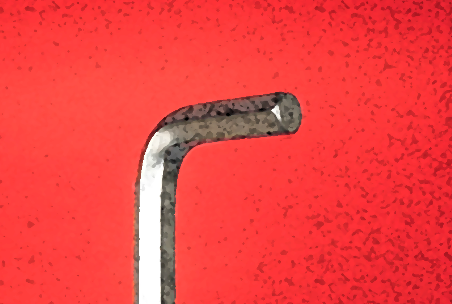
Allen key. Photo by Mika baumeister
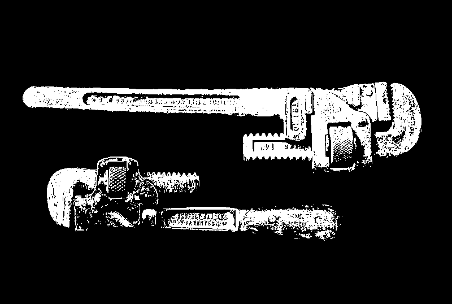
Adjustable ‘monkey’ wrenches. Photo by Matt Artz
Both box-end and open-end wrenches have evolved significantly over time, with the box-ends gaining popularity in the early 20th century due to their effectiveness in automotive applications. Both types serve distinct purposes, with the open end allowing for quick adjustments and the box end providing a more secure grip on fasteners.
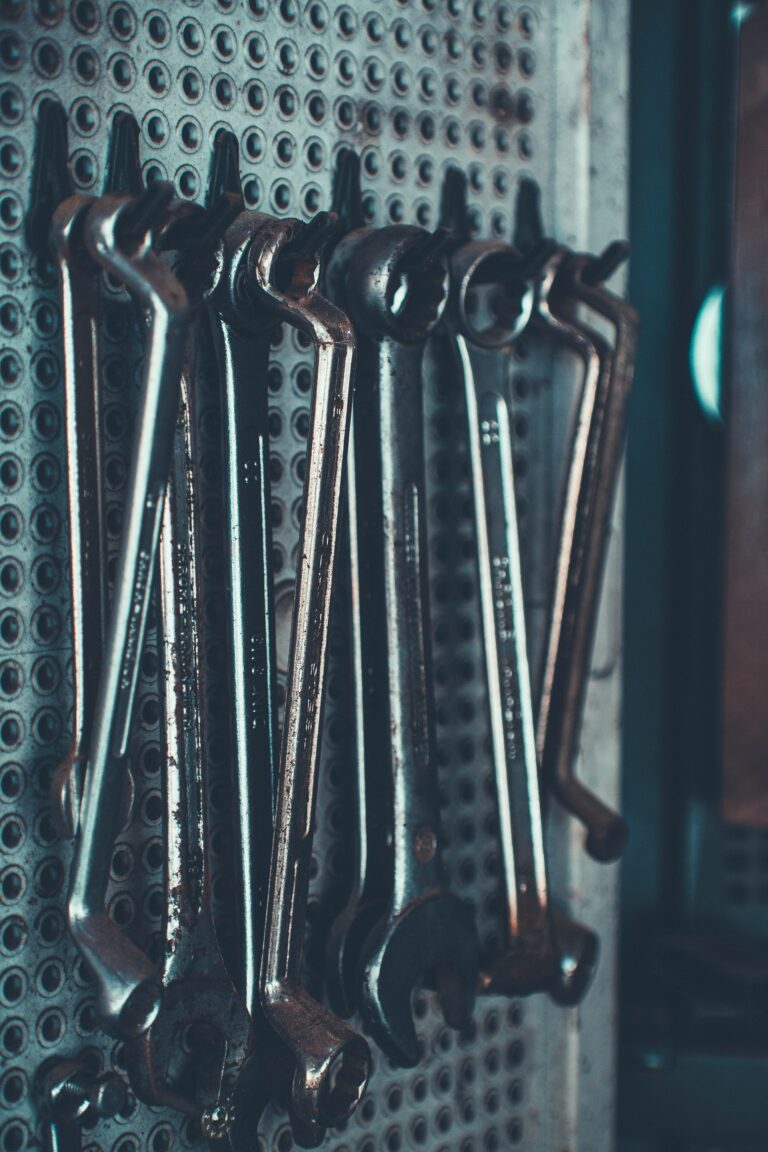
Spanner wrenches. Photo by Matt Artz
But then came a real, modern breakthrough: the ratchet wrench. It was patented by J.J. Richardson on June 16, 1863, combining a handle with an enclosed gear-and-pawl system, along with a removable socket connection. This innovation built upon earlier designs, including a ratchet wrench patented by James Watt in 1775 for steam engines.
The pipe wrench was invented by Daniel Chapman Stillson in 1869. His design revolutionized plumbing by allowing for the easy gripping and turning of pipes, making it an essential tool for plumbers and pipefitters.
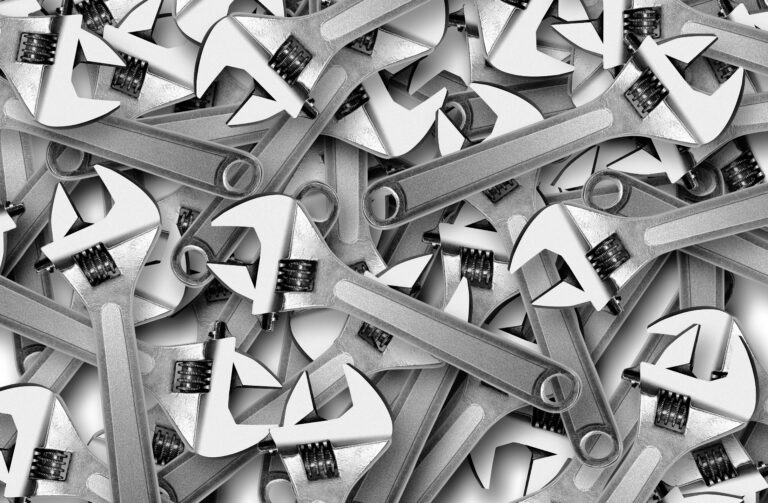
Photo by Loloboxe
Your own Ultimate Home Tool kit should include many of these. A crescent wrench is essential, as is a full set of Allen wrenches – both SAE (standard) and metric. A set of ratcheted box wrenches, along with an open-end set, will get you through any job as long as you have, at a minimum, the following sizes: 3/8”; 10mm; 5/16”; 7/16”; 1/2” and 9/16.”
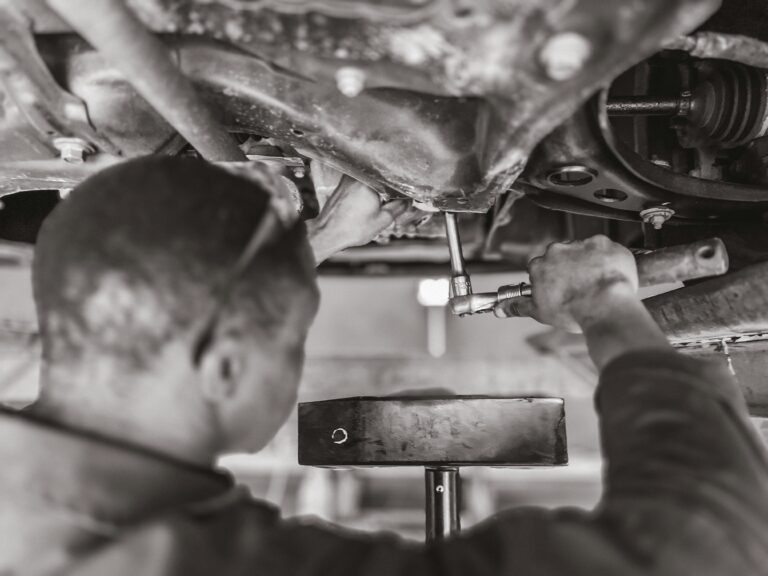
Hand-held ratchet wrench. Photo by Zanelle Lofty-Eaton.
So, welcome back to the garage. We made it off the island at last. With the help of our Ultimate Home Tool Kits — which will continue to grow. We’ve done the blue collar, lunchpail main courses: hardworking hand tools like the chisel, the hammer, the screwdriver and now, the humble wrench.
After all this, I think we deserve a little dessert course. How about… some power tools?
Hell, yes! See you next month.
About the Author

Matt Coddington is an award-winning commercial locksmith. He currently works and writes in San Diego. He is a former paperboy; a former avid collector of baseball cards, and a former musician and Drum Corps International world champion. He is sixty-three, single, and has no children. His next chapter—whatever it may be—is set to commence soon.
About the Frontispiece
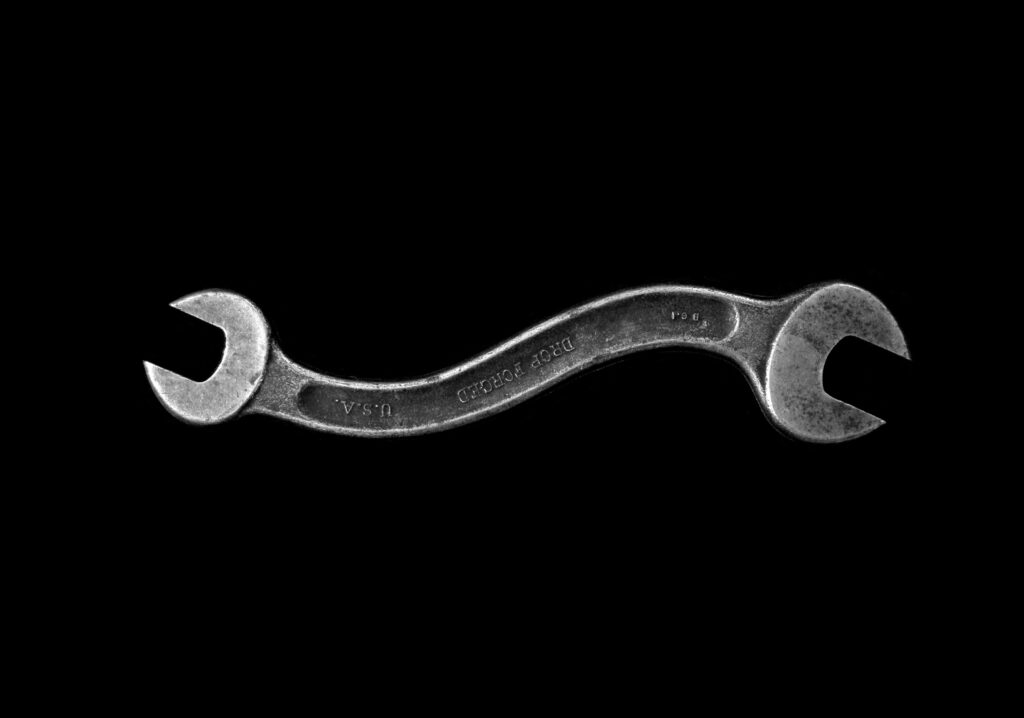
Top photo by Matt Artz