


Matt Coddington
Tool-Time Revisited: A Riveting Column
A classic Screwdriver is a simple, two-ingredient highball made from vodka and orange juice. It’s typically served over ice, in a tall glass, and is often garnished with an orange slice.
To spice it up and create something custom, you could add some bitters, a splash of Grand Marnier or grenadine perhaps, and experiment with a cherry or something else that goes well with the orange as a garnish.
This cocktail dates back as far as 1949, when Americans working in the desert would secretly dose their orange juice with vodka and stir it with a screwdriver.1 Today, it is a staple of every bartender’s toolkit.
But what about the real thing? Whether a man is inately handy or not, there is no tool that’s more of a staple than the humble screwdriver. It’s always advisable to have tools available when a need arises—because eventually a need will arise, so this month we explore the must have tool needed to build the ultimate home kit. You simply cannot have an effective tool set without one. So let’s take a deeper dive into the variations of this tool so our kit is fully equipped.
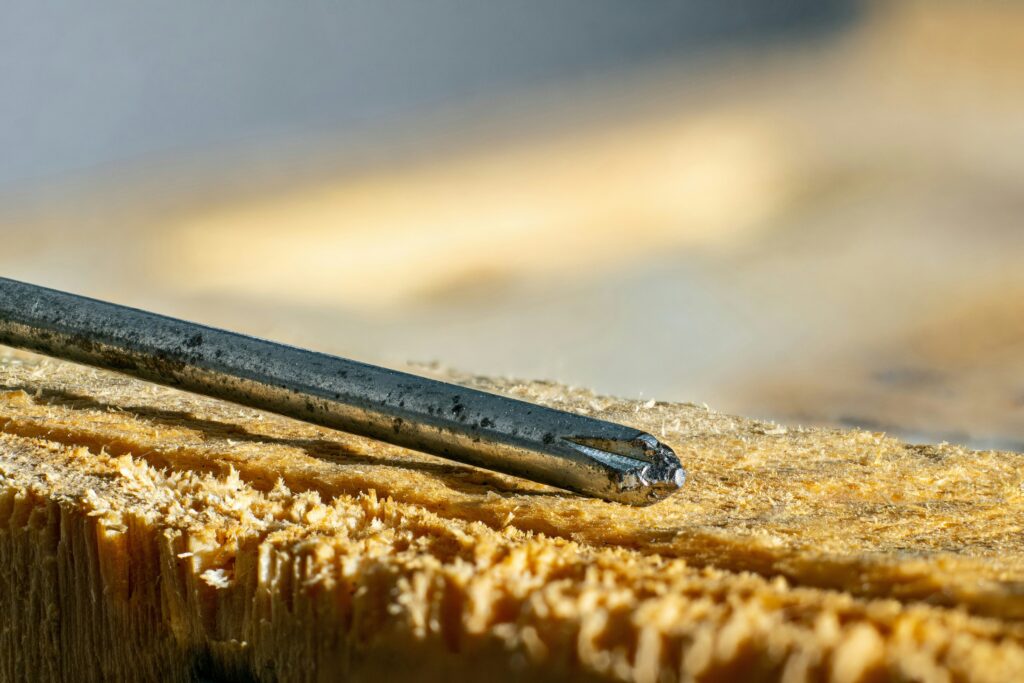
Think about how many objects in your house fasten with screws. Are they all the same? Probably not, so the ultimate kit will necessarily require a set of screwdrivers to handle those various jobs.
Some screws are large and some small, so our kit must include drivers of varying sizes. There are differently shaped openings on the screwheads, too: likewise our kit must include screwdrivers—or at least interchangeable heads—made to fit them.
The vast majority of screws take either a Phillips screwdriver, with a pointed, cross-shaped blade, or a simple flat blade. The size of the screw opening, whether Phillips or flat, determines the size of the blade.
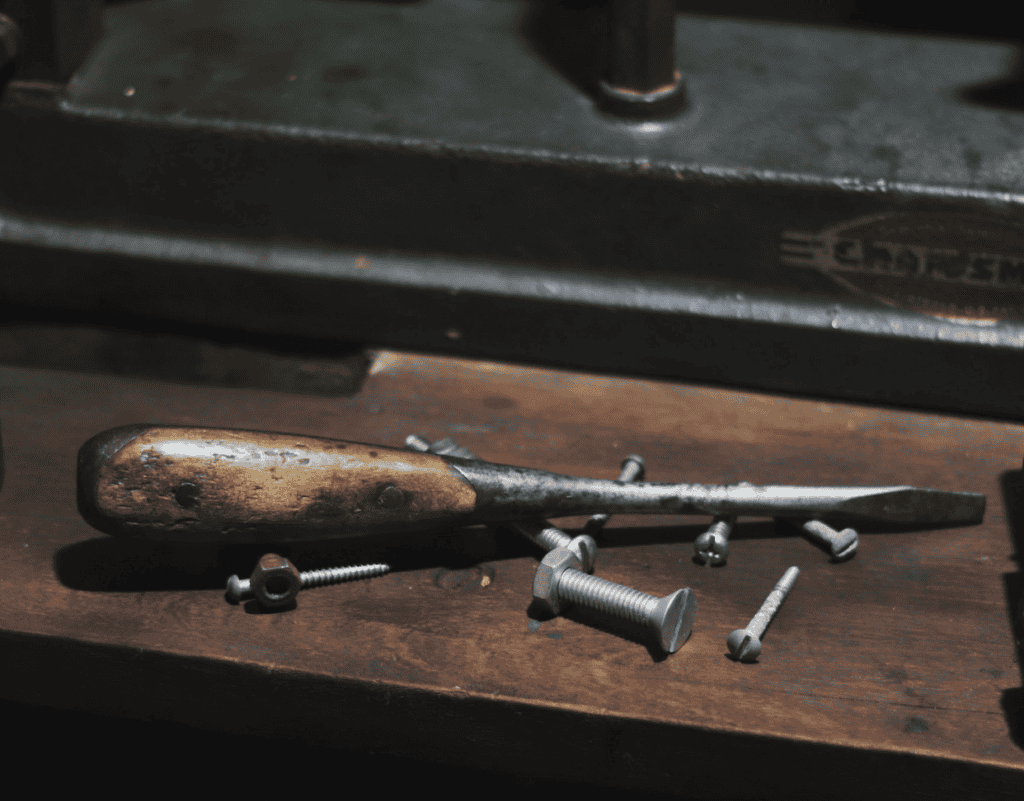
Phillips sizes are denoted by numbers and our kit will include zero through three, with three being the largest. Flat-blade drivers, on the other hand, are sized by fractions and we want, at a minimum, 1/8-inch, 3/16, 1/4, and 5/16, the latter being the largest. Armed with all these most, if not all, home projects or repairs requiring screws can easily be accomplished.
But why are there flat-blade and Phillips screwdrivers? Why not keep it simple and have just one? Let’s find out.
The flat-blade screwdriver originated in fifteenth-century Europe to fasten the armor of knights-errant together with slotted screws. Later—much later—it was used on the Ford assembly line to build early automobiles and, as we’ve discussed, it is still in wide use today. Initially both flat blade—or slotted—screws and their drivers were hand forged. Both became workshop staples by the 1800s with the rise of mass-produced, machine-cut screws and they’ve been the dominant fastening tools for over 130 years.
Then came the Phillips screwdriver, featuring a distinctive cross-shaped tip. It was invented by John P. Thompson in 1932 to solve the slipping issues that go with flatheads and which occur in my personal work to this day. Portland businessman Henry F. Phillips recognized the potential, refined the design, and launched the Phillips Screw Company in 1933. His screws and drivers became the industry standard for industrial assembly, notably adopted by Cadillac, i.e. General Motors, in 1936 due to its self-centering capabilities.
But regardless of the head type, what if you have to take apart something tiny? Some kind of electronic gadget, say, to replace the battery; or a pair of glasses with those teeny weeny screws connecting hinge to frame? Your normal set is too large: are you prepared? If not you’ll need a set of jeweler’s tools, which are made for the tiniest jobs.

That’s a good start to building the ultimate home tool kit. For those in range, Big-Box stores like Home Depot and Lowe’s offer excellent choices in the Husky and Cobalt brands. I’ve owned both and without being super expensive, they are well made, get the job done, and one set can last you for life. But wherever you live, look for the sweet-spot between cost and durability.
There’s one more critical item we will need as we begin building our kit: a tool bag of some kind. This is another must-have because tool organization is key. We’ll need the ability to store all these drivers, along with our subsequent tools, properly and to have them easily accessible when needed.
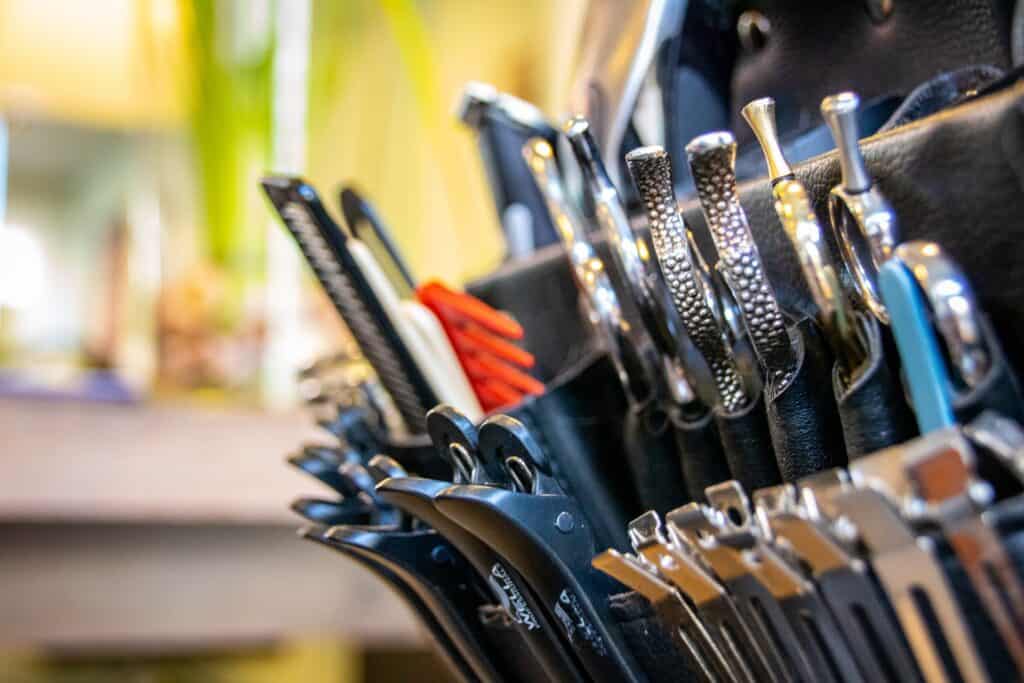
A rolling tool bag with an extending handle is a great choice. Husky makes a good one and available through Home Depot that offers plenty of internal and external pockets, zippered compartments, and thick canvas construction. Being able to pull your bag like a suitcase is really nice. Even in your own home, getting the tools to the jobsite—whether that’s the kitchen, bathroom, bedroom, living room, closet, garage, in the driveway, or out in the yard—is key to productivity and accomplishing the task.
The final piece of course, is to sit back with a cocktail—a screwdriver, naturally—when your task is done. But take care. . . if you’re screwing around with both the libation and the tool, and if you’re driving while doing so, well, you’re screwed.
Happy screwing!